
Reactive Dog Training Sheffield
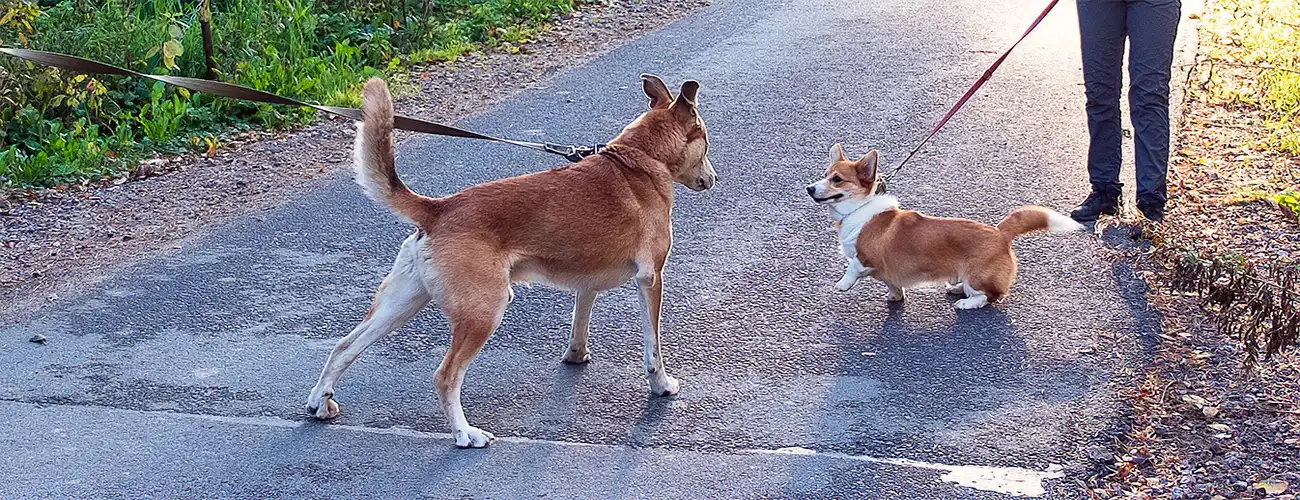
Home Help for Reactive Dogs in Sheffield and Surrounding Areas
If your dog barks, lunges, growls or becomes difficult to manage when they see another dog, meet unfamiliar people or encounter certain situations on walks, you're not alone. It can be very stressful living with a reactive dog, especially when everyday walks become unpredictable.
Bark Busters Sheffield provides personal one-to-one home dog behaviour training to help you understand your dog's reactions and work towards calmer, more manageable behaviour.
With guidance tailored to your dog, home environment, and daily routine, you can learn to recognise triggers, communicate more effectively, and make informed decisions about managing challenging situations.
What Is Dog Reactivity?
Dog reactivity describes an exaggerated or intense response to a particular trigger. A reactive dog may bark, pull, lunge, growl, whine or struggle to focus when they encounter something that makes them feel excited, frustrated, worried or threatened.
Reactivity can occur in different situations.
Other dogs and animals - barking, lunging or pulling when another dog approaches.
People - reacting to strangers, visitors or people passing nearby.
Lead reactivity - becoming highly aroused or distressed when restrained on a walk.
Environmental factors - reacting strongly to traffic, bicycles, unfamiliar noises or other everyday events.
Frustration-based - becoming overexcited when unable to approach a person, dog or other stimulus.
A reactive dog doesn't necessarily mean that your dog is aggressive. Some dogs react because they are frightened, while others may be frustrated, overexcited or struggling to cope with their surroundings. Understanding the circumstances behind the behaviour is an important first step.
Signs Your Dog May Need Reactivity Training
Professional behaviour training can help if your dog growls, barks, or lunges at other dogs on walks, or towards unfamiliar people approach.
It may also help if your dog's focus is hard to redirect after noticing another dog, struggles to settle after an encounter, reacts unpredictably in busy parks, on pavements or near home, or makes walks so stressful that you avoid certain routes or situations. These behaviours can have a range of causes, so your training plan should be tailored to your dog's individual needs rather than assuming every reactive dog needs the same approach.
Why Do Dogs Become Reactive?
Reactivity has no single explanation. Fear, frustration, past experiences, limited opportunities to get comfortable with certain situations, overarousal, and learned responses may influence it.
Some dogs become reactive after an unpleasant encounter. Others may find busy environments overwhelming or become frustrated when a lead prevents them from moving freely.
Pain and other medical conditions can also affect a dog's behaviour. If your dog's reactivity starts suddenly, worsens unexpectedly, or occurs alongside changes in their health or movement, speak to your vet and have them check for any medical problems.
Identifying what triggers your dog's response, how close the trigger is, and how quickly your dog recovers can help you develop an appropriate management and training plan.
How Can Reactivity Training Help?
Reactivity training helps you understand your dog's behaviour, manage difficult situations more safely, and develop more appropriate responses over time.
Understanding Your Dog's Triggers - The first step is identifying the situations that cause your dog difficulty. This may include particular dogs, unfamiliar people, narrow pavements, busy environments or encounters that happen too close to home.
Recognising early signs of stress or excitement can help you respond before your dog becomes overwhelmed.
Improving Communication - Learning to recognise your dog's body language and respond consistently can help you make better decisions during everyday situations. Training should take account of your dog's emotional state, not simply whether they obey a command.
Managing Walks More Effectively - Practical management may include choosing quieter routes, increasing distance from triggers, using suitable equipment and planning how to move away from difficult encounters. These steps can reduce pressure while you work on the underlying behaviour.
Building Better Responses Gradually - Depending on your dog's needs, training may involve helping them remain comfortable at a suitable distance from a trigger and gradually improving their ability to cope. Progress should be guided by your dog's response rather than forcing close encounters.
Helping the Whole Household - Consistency across family members and the household can make the problem easier to manage. Understanding which situations to avoid, how to respond to early warning signs and when to give your dog space helps everyone follow the same plan.
Home Reactive Dog Training in Sheffield
Bark Busters Sheffield provides one-to-one dog behaviour training in your home, so you can discuss your dog's behaviour, routines, and environment in context.
Your trainer can help you explore when your dog becomes reactive, understand what may be contributing to the behaviour, and identify practical ways to manage it.
Where appropriate, the plan may also address possible related concerns such as lead pulling, barking, anxiety or difficulties around visitors. If your dog has a history of biting or presents a serious safety risk, discuss this before training starts so you can plan appropriate precautions and seek professional support.
Every dog is different, so progress depends on the underlying causes, the dog's individual needs, the situations involved and consistent practice. No responsible trainer should promise that every dog will stop reacting within a fixed number of sessions. That's why we offer the Bark Busters Support Guarantee, which provides ongoing support and lessons free of charge for your dog's life.
What Should I Do When My Dog Reacts on a Walk?
If your dog reacts by barking or lunging at another dog or person, stay as calm as you can and, if it’s safe, create some distance between you and the trigger.
It's not advisable to force your dog to approach the trigger. Use a secure lead so your dog doesn't escape and choose quieter times while you work on the problem. If the reactions happen often or escalate over time, seek professional help and support.
If your dog has bitten someone or another animal, or you believe a bite may be imminent, prioritise safe separation and seek appropriate professional behaviour support.
Help Your Dog Feel More Comfortable in Everyday Situations
It can be challenging when living with a reactive dog, but you do not have to work through every situation alone. Understanding your dog's triggers, managing encounters safely and following an appropriate training plan can help you make more informed decisions and work towards calmer walks.
Contact Bark Busters Sheffield to discuss your dog's reactivity and find out about personal home dog behaviour training.
Frequently Asked Questions
Can you help if my dog barks and lunges at other dogs?
Barking and lunging can manifest from fear, frustration, excitement or other factors. An individual assessment can help establish what may be contributing to your dog's reactions and what management and training approaches may be appropriate.
Is a reactive dog aggressive?
Not necessarily. Reactivity describes a strong response to a trigger, whereas aggression involves behaviour intended to threaten or cause harm. The behaviours can overlap, so take growling, snapping, or biting seriously and assess them in context.
Can an adult or rescue dog learn to be less reactive?
Adult and rescue dogs can make progress with an appropriate, individual plan. Progress can vary between dogs, and their previous experiences, health, environment, and current behaviour all need to be considered.
Will my dog need to meet other dogs during training?
Not necessarily. Training should not force a dog into close contact with other dogs. Depending on the assessment, work may begin with management, distance and helping your dog remain comfortable without direct interaction.
Can reactivity training help with lead pulling?
It may help when pulling is connected to excitement, frustration or reactions to triggers. However, not all lead pulling is caused by reactivity, so your approach should reflect why your dog pulls.
How long does reactivity training take?
There is no guaranteed timeframe. Progress depends on the cause of the behaviour, its severity, your dog's individual needs, and how consistently you can follow the training plan. Your trainer will discuss realistic expectations after learning more about your dog.
My Reviews and Customer Testimonials
4.9 / 5 from 110 reviews
Gavin came to my home today to help with my little rescue dog, who has separation and crate issues. Also, general commands and lead walking. He was amazing from the start and made me very relaxed. He gave me loads of information and a comprehensive training pl…
Very happy with the training and advice given. It was good to cover items such as feeding which we were not expecting. Our puppy is already doing better with the training advice given
Gavin gave excellent advice and created a training plan that is easy to follow. We can already see improvements in our dogs behaviour. Good to know he is here to help throughout our dogs early development.