
Rescue Dog Training Sheffield
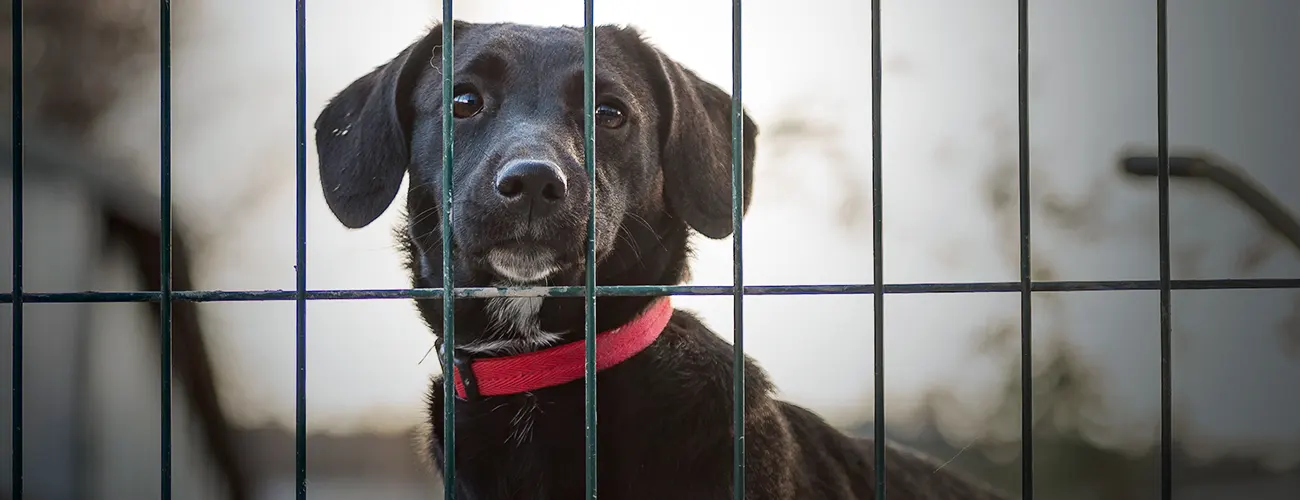
Home Training for Rescue Dogs in Sheffield and Surrounding Areas
If you have recently adopted a rescue dog and are struggling to help them settle into their new home, or you're facing unexpected behaviour challenges, you're not alone.
Bringing a rescue dog home can be incredibly rewarding, but adjusting to a new environment takes time. Some dogs settle quickly, while others need a little extra support to feel comfortable around unfamiliar people, new routines, household noises, or everyday experiences.
Bark Busters Sheffield provides personal home dog behaviour training to help you understand your rescue dog's needs, establish consistent routines and work towards a calmer life together.
Whether your dog has recently arrived from a rescue centre, has been rehomed from another family, or has been with you for some time, training should reflect their personality, past experiences, and current behaviour.
Why May a Rescue Dog Need Training?
Every rescue dog has a different history. Some have had limited home life experience, while others may have lived happily with a previous family but find the transition to a new home challenging.
Possible difficulties could include settling into a new home and learning household routines, barking at unfamiliar sounds, visitors or activity outside, pulling on the lead or becoming overwhelmed on walks, being worried around unfamiliar people or other dogs, struggling to respond to recall cues in new environments, guarding food, toys, resting places or other valued resources, or adjusting to children, other pets or changes in the household.
These behaviours do not automatically mean that a rescue dog has been mistreated or has a behaviour problem. A change of home can itself be demanding, and some dogs need time, appropriate management and a consistent approach.
Helping Your Rescue Dog Settle Into Their New Home
The first priority is helping your dog feel safe and understand what to expect.
Establish a Predictable Routine - Regular opportunities for rest, feeding, toilet breaks, exercise and quiet interaction can help your dog become familiar with daily life. Avoid overwhelming them with too many new experiences at once.
Give Your Dog Space to Adjust - Some dogs enjoy meeting new people immediately, while others need more time. Let your dog approach people on their own terms and give them a quiet place to rest without being disturbed.
Introduce New Experiences Gradually - Household noises, visitors, busy streets and encounters with other dogs may initially be unfamiliar. Introduce these experiences at a pace your dog can manage, watching for signs of fear, stress or overexcitement.
Build Trust Through Consistency - Clear, consistent communication and predictable routines help your dog learn what you expect. Avoid forcing any interactions or punishing signs of fear, such as growling or their attempts to move away from you.
No single adjustment period suits every dog. Focus on your dog's individual responses rather than expecting them to settle within a fixed number of days or weeks.
Common Rescue Dog Behaviour Problems
Fear and Nervousness - Some rescue dogs may be wary of unfamiliar people, noises, handling or new environments. Fear can show itself through hiding, avoidance, barking, growling or attempts to escape. Give your dog space to create distance and avoid forcing them into situations they find frightening. If fear is persistent or severe, get help from a dog behaviour professional.
Barking at People or Sounds - Barking may occur when your dog hears unfamiliar noises, sees people outside or feels uncertain about visitors. Understanding what triggers the barking is more useful than assuming every dog barks for the same reason.
Lead Pulling and Reactivity - A rescue dog may pull because of excitement, frustration, fear or unfamiliarity with walking equipment. If your dog also barks or lunges at other dogs or people, consider their emotional response alongside lead training.
Recall Difficulties - Your dog may not yet understand your recall cue, particularly if they have recently moved into a new environment. Begin in a secure area and build the response gradually. Do not rely on untested recall in open spaces near roads, livestock or other hazards.
Separation-Related Difficulties - Some dogs struggle when left alone in a new home. Signs can include persistent barking, pacing, destructive behaviour or attempts to escape. Build up alone time gradually, avoid prolonged distress where possible, and talk to your vet if the behaviour is accompanied by other health changes.
Resource Guarding - A dog may growl or snap when someone approaches food, toys or a resting place. Do not forcibly remove guarded items or deliberately provoke the dog. Keep children away from guarding situations and seek professional advice if there is a risk of biting.
How Can Rescue Dog Training Help?
Bark Busters Sheffield provides personal home dog behaviour training, allowing you to discuss your dog's behaviour within the environment where many everyday challenges occur.
Understanding Your Dog's Individual Needs
Your trainer can help you identify when your dog struggles, what may trigger the behaviour, and which daily management changes may be appropriate.
Establishing Clear Communication
Learning to recognise body language and respond consistently can help you make informed decisions about interactions, routines and training.
Developing Practical Skills
Depending on your dog's needs, training could address household manners, barking, lead pulling, recall or other behaviour concerns. Adapt the approach to the individual dog rather than assuming all rescue dogs need the same training.
Supporting the Whole Household
Everyone involved in caring for your dog should understand the agreed routines, boundaries and safety measures. This is especially important when children, visitors, or other pets are present.
Your dog's past experiences, health, behaviour, and other factors can affect their progress. environment. Some dogs can adjust quickly, while others need longer-term support.
No single training method or timeframe suits every rescue dog.
Help Your Rescue Dog Feel at Home
Bringing home a rescue dog is the start of a relationship that develops over time. Learn what your dog needs, create consistent routines, and meet challenges with patience to help them settle into family life and build new skills.
Contact Bark Busters Sheffield to discuss personal home dog behaviour training for your rescue dog.
Frequently Asked Questions
Can an older rescue dog be trained?
Yes. Older dogs can learn new behaviours and routines. Training should account for their health, history, temperament, and current needs, with realistic expectations about progress.
How long does it take a rescue dog to settle in?
There is no universal adjustment period. Some dogs become comfortable relatively quickly, while others need considerably more time. Let your dog's behaviour guide the pace of introductions, new experiences and training.
Can you help with a rescue dog that is frightened of people?
Fear of people may have several causes. A suitable plan should focus on safety, identify triggers, and help the dog become more comfortable without forcing interactions. Veterinary or specialist behaviour support may be appropriate for severe or persistent fear.
Can you help a rescue dog that pulls on the lead?
Yes, you can address lead pulling with an individual training plan. If it stems from fear, frustration, or reactivity, account for those factors instead of treating it as simple disobedience.
What if my rescue dog struggles when left alone?
Dogs can find being left alone difficult, especially during a period of change. Gradual training, careful management, and veterinary advice, where appropriate, can help you establish the right approach. Severe distress may require additional professional support.
Should I start training immediately after adopting a rescue dog?
You can start building gentle routines and communicating clearly right away, while avoiding overwhelming your dog with too many new experiences. Tailor formal training to your dog's ability to cope and any immediate safety concerns.
My Reviews and Customer Testimonials
4.9 / 5 from 110 reviews
Gavin came to my home today to help with my little rescue dog, who has separation and crate issues. Also, general commands and lead walking. He was amazing from the start and made me very relaxed. He gave me loads of information and a comprehensive training pl…
Very happy with the training and advice given. It was good to cover items such as feeding which we were not expecting. Our puppy is already doing better with the training advice given
Gavin gave excellent advice and created a training plan that is easy to follow. We can already see improvements in our dogs behaviour. Good to know he is here to help throughout our dogs early development.