
Rescue Dog Behaviour Training in Sutton Coldfield
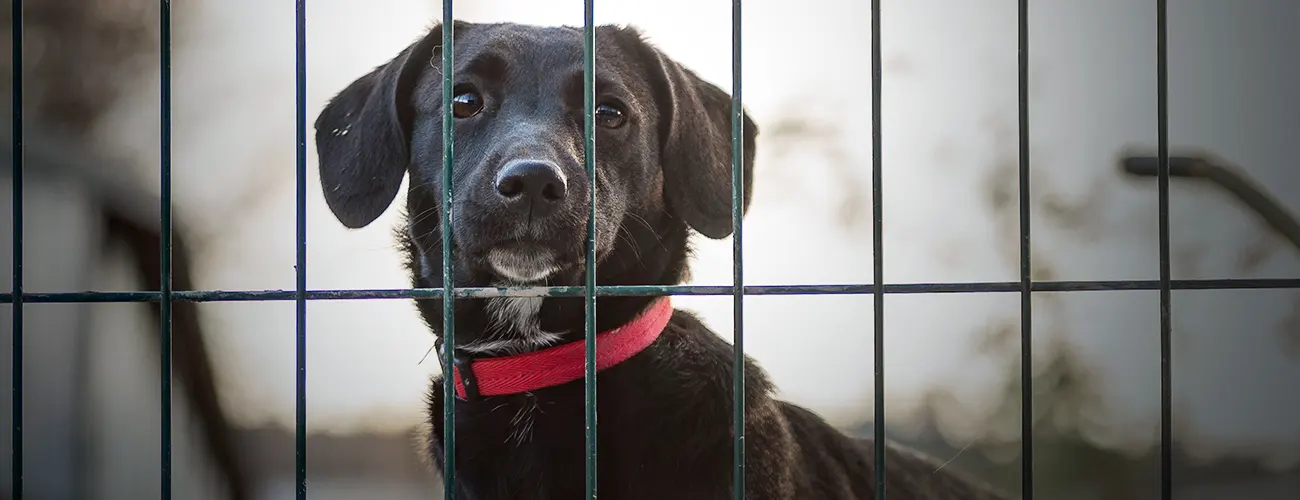
Bringing a rescue dog into your home can be enormously rewarding, but it can also bring unexpected challenges. Your new dog may arrive with an unknown history and established habits or behaviours that only become apparent as they settle into their new surroundings.
Bark Busters provides home rescue dog behaviour training in Sutton Coldfield and surrounding areas, helping owners understand their new dog's behaviour, establish clear communication and work through problems that may arise as the dog adjusts to family life.
Whether you have recently adopted a rescue dog or have been living with your dog for some time, training can be adapted to their individual behaviour, personality and needs.
Helping a Rescue Dog Settle into a New Home
Moving into a new home is a major change for any dog. Your rescue dog may suddenly face new people, routines, smells, sounds, and expectations. Some dogs seem confident almost immediately, while others need much longer to feel comfortable.
Behaviour can also change as a rescue dog settles. A quiet dog may gradually become more confident and energetic. Behaviours that weren't apparent at first can emerge once your dog feels more comfortable in their new environment.
Rather than expecting your rescue dog to adapt immediately, focus on establishing a calm, predictable routine and getting to know the individual dog.
Common Behaviour Problems in Rescue Dogs
Rescue dogs can experience many of the same behaviour problems as any other dog. Their past experiences may not always be known, which can make it harder to understand the cause of a particular behaviour.
Owners can seek help with barking, pulling on the lead, poor recall, reactivity towards other dogs, fearful behaviour, aggression, resource guarding, jumping up, overexcitement, separation anxiety, problems around visitors, or nervousness in unfamiliar situations.
Some dogs have several connected behaviours. For example, a dog that barks and lunges at other dogs may be frightened, frustrated or highly excited rather than simply being "aggressive".
Understanding the circumstances surrounding the behaviour is an important part of deciding how to address it.
Why Does My Rescue Dog Behave This Way?
When you adopt a rescue dog, you naturally want to understand what happened in the dog's past. Sometimes useful background information is available, but often it isn't.
Even when you know a dog's history, it doesn't necessarily explain everything about their current behaviour.
Rather than guessing about experiences we cannot confirm, focus on what your dog is communicating now.
When does the behaviour occur? What happens immediately beforehand? How does your dog respond to people, dogs and different environments? What makes the behaviour better or worse?
Understanding these patterns can help us develop a practical training approach for your dog today.
Communicating With Your Rescue Dog
One of the first priorities with a newly adopted dog is building a clearer, more predictable relationship.
Your dog needs to learn new rules and what is expected within their new household, while you need to learn how your dog responds in different situations.
Clear, consistent communication from the whole family helps your dog understand and learn the behaviours you want.
Bark Busters works with dog owners to build clear communication using practical training techniques you can use every day.
Our behaviour training can cover many things like attention and responsiveness, household boundaries, lead walking, recall, responding around distractions, managing visitors, appropriate interactions with other dogs, and building confidence in everyday situations.
The precise training plan depends on the individual dog and the behaviours you need help with.
Rescue Dog Reactivity
Reactivity is a common reason owners seek behaviour training. Your rescue dog might bark, lunge, growl or become extremely excited when they see another dog, person, cyclist, vehicle or other trigger.
The first step is to understand what is happening and identify the situations where your dog struggles.
Simply exposing a reactive dog repeatedly to something they find difficult may not resolve the problem.
Instead, introduce training at a level the dog can manage, and increase the difficulty as they progress.
If your rescue dog is reactive, our reactive dog training in Sutton Coldfield can address this behaviour as part of their wider training programme.
Rescue Dogs and Separation Anxiety Behaviour
Some rescue dogs struggle when their new owners leave them alone.
You may notice behaviours such as barking or howling, pacing, destructive behaviour, attempts to escape, difficulty settling, and distress when you prepare to leave.
These behaviours can stem from different causes, so don't assume every dog showing them has the same problem.
If your dog becomes significantly anxious when left alone, the training programme needs to account for their current ability to cope with separation.
Our separation anxiety and separation-related behaviour training in Sutton Coldfield can help you understand the problem and develop an appropriate plan.
Recall Training for Rescue Dogs
Do not assume that a newly adopted rescue dog will reliably return when allowed off the lead. Even if you have been told that your dog previously had good recall, their behaviour can change in a new environment and with a new owner.
Start by building your dog's responsiveness in a controlled area.
A long training lead can help keep your dog safe as you work on recall. As your dog's response improves, gradually add distance and distractions.
Lead Walking with a Rescue Dog
Walking a rescue dog can reveal behaviours that were not obvious at home. Your dog may start to pull strongly, stop and refuse to move, react to other dogs, chase wildlife, or become overwhelmed in busy environments.
Rather than focusing solely on reaching a final destination, early walks can help you understand how your dog responds to the outside world.
Training can then address lead pulling, attention, communication, and reactions to distractions based on your dog's individual needs.
Resource Guarding in Rescue Dogs
Some dogs become protective of food, toys, beds, stolen objects or other things they value. Signs can include becoming tense, freezing, moving away with an item, growling, snapping or biting.
Do not deliberately take possessions away from a dog simply to prove that you can. Confrontation can increase conflict and potentially make the situation more dangerous.
If your rescue dog displays resource guarding, particularly growling, snapping or biting, seek appropriate professional help.
Rescue Dogs and Aggression
Take aggressive behaviour seriously, especially when it puts people or other animals at risk.
Growling, snapping, lunging and biting can occur for different reasons. Understanding the circumstances behind the behaviour is essential before deciding how to address it.
Prioritise safety while you assess your dog's behaviour. If your rescue dog has bitten someone, is showing escalating signs of aggression, or you are concerned about safety, seek professional help.
Don't deliberately recreate situations that could trigger the behaviour and consider muzzle training to keep everyone safe, including your dog.
Should I Give My Rescue Dog Time to Settle Before Starting Training?
Giving your dog time to adjust doesn't mean you have to avoid all training. You can start simple routines and consistent communication from the start, as long as they suit your dog.
Avoid overwhelming a newly adopted dog with too many demands, unfamiliar environments, or difficult situations all at once.
Training can progress according to how your dog is coping. No universal timetable determines how every rescue dog should behave.
Home Rescue Dog Training in Sutton Coldfield
Training a rescue dog at home allows us to see the environment where many everyday behaviours occur.
We can discuss the problems you are experiencing, observe your dog's responses and help you understand how your own communication and routines may influence their behaviour.
Where appropriate, training can then move into the situations where problems occur, such as walks or encounters with everyday distractions.
The aim is to provide practical techniques that you can continue using between training sessions.
Get Help with Your Rescue Dog in Sutton Coldfield
If you've adopted a rescue dog and are experiencing behaviour problems, getting professional help and support can help you understand what your dog needs and how to respond.
Bark Busters provides home rescue dog behaviour training in Sutton Coldfield, tailored to your dog, your household, and the situations you encounter in everyday life.
Whether you need help with reactivity, recall, lead pulling, barking, separation-related behaviour, resource guarding or another behaviour problem, we can develop a practical training programme for you and your dog.
Contact Bark Busters Sutton Coldfield to discuss behaviour training for your rescue dog.
Frequently Asked Questions on Rescue Dogs
How long does it take a rescue dog to settle into a new home?
There is no fixed timescale. Some dogs adjust quickly, while others need considerably longer. Personality, previous experience, environment and the individual dog's confidence can all influence how they respond.
Can you train an older rescue dog?
Yes. Training is not limited to puppies. Adult and older dogs can learn new behaviours, but the approach should account for the individual dog's health, experience, and established habits.
Why has my rescue dog's behaviour changed after adoption?
Some behaviours may only become apparent as your dog becomes more comfortable or encounters new situations. A change does not necessarily mean something has gone wrong. Note when and where the behaviour happens, and seek professional help and advice if you are concerned.
What if I don't know my rescue dog's history?
You don't need to know every detail of your dog's past to begin working on their current behaviour. Instead of guessing about unknown experiences, focus on the behaviour you can observe now and the situations in which it occurs.
Can you help if my rescue dog is reactive towards other dogs?
Yes. Training can address your dog's reactions to other dogs as part of a wider behaviour programme. The approach will depend on the circumstances and reasons for the behaviour.
Can you help if my rescue dog has several behaviour problems?
Yes. Behaviour problems do not necessarily need to be treated as completely separate issues. Assessing your dog's behaviour as a whole can help you identify connections between problems and decide which areas to prioritise.
My Reviews and Testimonials
See my Trustpilot reviews and client testimonials from dog owners I have helped who struggled with their dog's behaviour.
5 / 5 from 23 reviews
I was having problems with my dog Alfie for instance constant barking at visitors coming to the home and making the experience really stressful for everyone, protective over people in the home and barking at anyone that came near, and I didn’t seem to have any…
I was having problems with my dog Alfie for instance constant barking at visitors coming to the home and making the experience really stressful for everyone, protective over people in the home and barking at anyone that came near, and I didn’t seem to have any…
Brilliant service excellent advice and unbelievable results
See more reviews from Sutton Coldfield, Tamworth & Lichfield