
Resource Guarding Dog Training in Sutton Coldfield
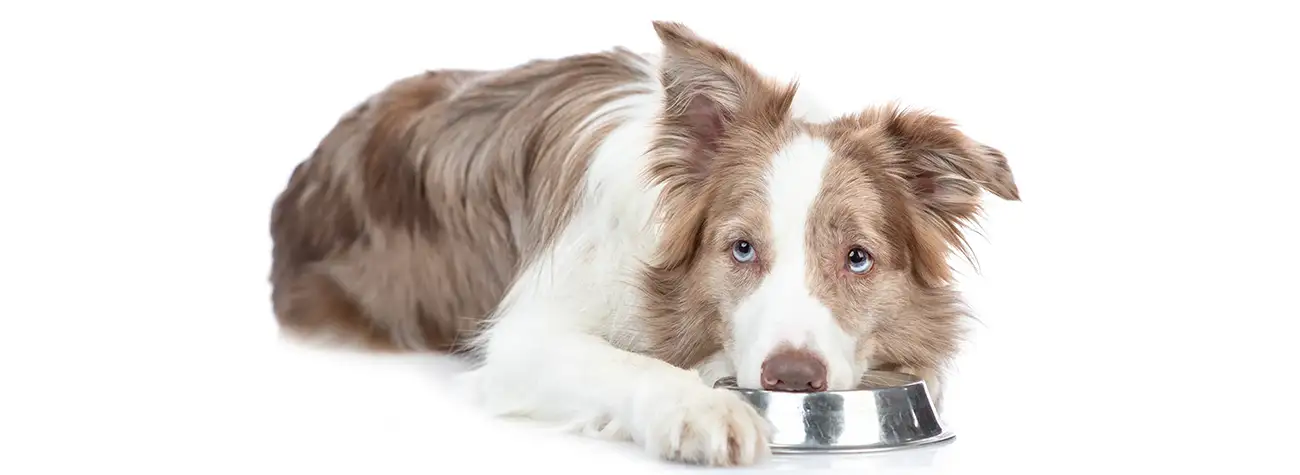
If your dog growls or snaps when you go near their food bowl, guards toys or chews, or becomes defensive when you try to take something away, you're not alone. It's more common than you may think. Resource guarding can worry dog owners, especially when children, visitors, or other pets are present.
Bark Busters provides home dog behaviour training in Sutton Coldfield and surrounding areas, helping owners understand their dog's behaviour and learn practical ways to manage guarding-related problems. Sarah Coleman can help you explore why your dog guards valued items and identify an approach that suits your household.
Whether you have an excitable puppy, a strong adult dog, or a dog who pulls due to distractions, frustration, or reactivity, individual training can help make walks calmer and more manageable.
What Is Resource Guarding in Dogs?
Resource guarding is behaviour a dog uses to retain control of something it considers valuable. This may involve food, treats, toys, chews, resting places or objects it has picked up.
Some dogs show subtle warning signs, while others may growl, snap or bite when they believe someone is about to take something away.
Resource guarding can include growling when someone approaches the food bowl, freezing or becoming tense when a person reaches towards a toy, carrying objects away to prevent someone retrieving them, snapping when disturbed while resting or chewing, guarding a bed, sofa or preferred resting place, becoming defensive when another dog approaches food or toys, and guarding stolen household objects, such as socks or tissues.
These behaviours should be taken seriously. Growling is a warning that a dog is uncomfortable, so just simply punishing the warning or deliberately testing the dog's reaction can increase the risk and reaction.
Why Do Dogs Guard Food, Toys and Other Valued Items?
Resource guarding can develop for different reasons. A dog may worry about losing something valuable, feel uncomfortable with people approaching while eating, or have learned that holding on to an item prevents it from being taken.
Some dogs guard particular objects but are relaxed in other situations. Others may become defensive around resting places, food, toys or interactions with other animals.
Possible reasons include past experiences of competition or having items taken away, anxiety or uncertainty when people approach valued resources, competition between dogs in the same household, changes in the home environment or daily routine, or pain or an underlying medical problem that makes handling uncomfortable.
The cause cannot reliably be established from a single behaviour alone. If guarding starts suddenly, becomes more intense or occurs when a dog is touched or approached while resting, speak to your vet to rule out pain or illness.
Resource Guarding Between Dogs
Resource guarding can become particularly challenging in households with two or more dogs. One dog may guard food, toys, beds, doorways or access to a favourite person.
Warning signs may include staring, stiffening, blocking access, growling, chasing or fighting. Even when dogs appear to coexist peacefully most of the time, repeated tension around resources can escalate.
Managing the situation is essential while assessing the problem. Feed dogs separately, remove high-value items when appropriate, and avoid leaving dogs unsupervised together if fighting is a concern.
Do not force dogs to share resources or allow them to fight it out. If there's a history of aggression or a risk of injury, keep the dogs safely separated and seek guidance from a professional.
How Can Bark Busters Help With Resource Guarding?
Bark Busters provides home dog behaviour training, which lets us see the circumstances surrounding guarding behaviour in the dog's normal environment.
We discuss the situations you are experiencing, including what your dog guards, who is present, what happens immediately before the behaviour and how household members currently respond.
Our tailored training plan involves:
Understanding the behaviour - Identify what your dog is guarding, the situations that trigger the response, and the warning signs your dog displays.
Making the environment safer - Introduce management measures to reduce confrontation and prevent situations where someone could be bitten.
Improving everyday routines - Review how you manage food, toys, chews, and resting places, particularly when children or other dogs are present.
Developing an individual training plan - Choose training exercises suited to your dog's behaviour, the level of risk, and your household's circumstances.
Helping owners respond consistently - Learn how to recognise early signs of discomfort, avoid unnecessary confrontation and encourage safer interactions.
The aim is to reduce any clashes, help owners manage resources appropriately and improve the relationship between their dog and the family. Progress depends on the individual dog, the severity of the behaviour, and how consistently you can implement the plan.
What Should You Do If Your Dog Guards Food or Toys?
If your dog growls or becomes tense when you approach a valued item, don't try to prove you can take it away.
Instead, give your dog space and avoid reaching towards the guarded item. Keep children and other animals away from the situation. Avoid shouting, physical punishment or deliberately provoking a reaction. Do not forcibly remove food, chews or toys unless there is an immediate danger. Seek professional support if the behaviour is recurring, escalating or difficult to manage safely.
If your dog has already snapped or bitten, treat the situation seriously, consider the safety concerns, and arrange appropriate professional help. A vet check can help identify any medical problems.
Resource Guarding and Children
Resource guarding requires particular care in family homes. Children may not recognise a dog's warning signs and may instinctively reach for a toy, approach a food bowl or try to retrieve an object.
Never leave a child alone with any dog, especially one that guards resources. Use secure physical separation where needed, such as baby gates, and teach children not to approach a dog that is eating, chewing, resting or holding a valued object.
If your dog has shown aggression toward a child, you should prioritise safety by keeping them separated and get immediate advice from a professional.
Don’t rely on obedience training alone to manage a potentially dangerous situation.
Get Help With Resource Guarding in Sutton Coldfield
Living with a dog that guards food, toys, or other valued items can be stressful, but confronting the behaviour or forcing your dog to surrender resources isn't the answer.
Understanding the triggers, managing the environment and following an appropriate training plan can help reduce risk and support safer interactions at home.
The first step is understanding what your dog is communicating and establishing a safer way forward for your household.
Frequently Asked Questions About Resource Guarding
Can resource guarding in dogs be improved?
Many dogs can make progress with appropriate management and an individual behaviour plan. The outcome depends on the dog's circumstances, the severity of the behaviour and the consistency of the approach. No trainer should guarantee that every case will be resolved.
Why does my dog growl when I approach their food bowl?
Your dog may worry that their food will be taken away or feel uncomfortable when someone approaches while they eat. Give your dog space and avoid testing the behaviour. Seek professional advice if the guarding behaviour recurs or escalates.
Should I take my dog's food or toy away to show them who is in charge?
No. Repeatedly taking items away or confronting a guarding dog can increase anxiety and the risk of aggression. A safer approach involves management and a suitable training plan.
Can you help if my dog guards toys from another dog?
Yes, Bark Busters can discuss your behaviour concerns involving multiple dogs. In the meantime, separate the dogs from food and other high-value resources, and contact us immediately if they are fighting.
Is resource guarding the same as aggression?
Resource guarding is when a dog tries to retain control of a valued resource. It can involve subtle warning signals or escalate to snapping and biting. Assess the behaviour in context rather than labelling it based on one incident.
Can children live safely with a dog that guards resources?
It depends on the individual circumstances and risk level. Never leave children alone and unsupervised with any dog, especially one that guards resources. When appropriate, secure separation, such as a baby gate, is essential. If your dog has threatened or bitten a child, get prompt professional advice.
My Reviews and Testimonials
See my Trustpilot reviews and client testimonials from dog owners I have helped who struggled with their dog's behaviour.
5 / 5 from 23 reviews
We had our first at-home training session with Sarah today for our dog, Winnie, and it was absolutely brilliant. Sarah spent three hours with us and we learned so much in that time. She gave us loads of practical advice that we can actually put into action st…
I had this company come to my home and they have been excellent, even down to after care. They are very thorough and have a lot of knowledge. I noticed a massive improvement in my dog after just one session. Instructions and care plan to follow on from the ses…
I was having problems with my dog Alfie for instance constant barking at visitors coming to the home and making the experience really stressful for everyone, protective over people in the home and barking at anyone that came near, and I didn’t seem to have any…
See more reviews from Sutton Coldfield, Tamworth & Lichfield