
Expert Resource Guarding Dog Training Coventry
Professional Home Help for Dogs That Guard Food, Toys, Beds and People
Does your dog growl when someone approaches their food bowl? Snap if you try to take away a toy? Become protective of the sofa or even a family member? Resource guarding is one of the most misunderstood dog behaviour problems. While it can be worrying, and sometimes dangerous, it is often a dog's way of communicating fear, uncertainty or the need to protect something they consider valuable.
Sometimes it can be difficult for us humans to understand the motivation behind the behaviour. From an early age, we're taught that sharing is the right thing to do. However, dogs don't naturally share items, and just like some humans, we don't always want to share either. Some dogs will not want to share what they consider valuable.
At Bark Busters Home Dog Training Coventry, we provide professional help and support for resource guarding training in your home throughout Coventry and the surrounding areas. We assess your dog's behaviour in their normal environment and create a persona training plan for your family.
What Is Resource Guarding?
Resource guarding occurs when a dog attempts to protect something they value from another person or animal.
The "resource" could be almost anything, including food bowls, treats, chews and bones, toys, beds, sofas, sleeping areas, doorways, stolen household items, owners or family members, and other pets.
Dogs often use subtle warning signals long before they bite. Learning to recognise these signals is an important part of preventing behaviour from escalating.
Common Signs and Signals of Resource Guarding
You may notice some of the warning signs in your dog's body language. Your dog may freeze when approached, stiffen their body, raise their hackles, lower their head over an item, give a hard stare, lift or curl their lip, growl, snap, lunge, bite, carry objects away to hide them, and follow valuable items around the home.
Many dog owners tell us that their dog is lovely most of the time but completely changes around food or the television remote control, for example.
This is very common in dogs that suffer from resource guarding.
Why Do Dogs Guard Resources?
Resource guarding is usually driven by emotion, and not necessarily a desire to be in charge all the time. Dogs don't normally want to be in charge, but sometimes they feel they have to be to feel safe. In some households, poor guidance and pet parenting can leave a dog with the feeling that it needs to control situations when it feels unsafe. If clear, calm guidance isn't present, then a dog may feel it needs to control the environment to feel safe.
Other possible reasons for resource guarding include fear of losing something valuable, prior competition with other dogs, early-life experiences, rescue or rehoming history, anxiety, insecurity, learned behaviour, poor leadership, and genetic influences.
Understanding the "why" behind the behaviour helps us to develop an appropriate, tailored training plan.
Is Resource Guarding Dangerous?
Resource guarding is definitely something that should not be taken lightly or ignored. Especially if there are children in the home, as it can be dangerous if it escalates. The behaviour tends to start with looking away, freezing, low growls, or snapping. If these early warning signs are ignored, they can escalate to biting or an attack.
Growling is an important way for dogs to tell you they are uncomfortable in a particular situation. Correcting the growling without addressing the underlying emotion can sometimes increase risk. By ignoring the warning signs and not treating the underlying cause, the behaviour will recur or could even escalate.
If your dog has bitten someone, you should seek professional help immediately, especially if you have young children in your household.
Why Home Training Works Best
Resource guarding often happens in familiar environments. This can be your dog's feeding area, your favourite chair, your bed, the dog's bed, the kitchen, the living room, and the garden. All of these may play a role in the behaviour.
By visiting your home, we can observe your dog in its natural environment, your routine, identify any triggers, and help you make practical changes that fit your household.
Our Resource Guarding Training Process
Behaviour Assessment - We'll discuss and take a detailed assessment of when the behaviour started, what your dog guards, who they guard from, any previous incidents, your household routine, your dog's medical history, how you currently manage the guarding, and your family circumstances.
Holistically taking everything into account to understand the full picture, which allows us to develop a tailored training plan.
Identifying Any Triggers - Together, we investigate whether any specific situations trigger the guarding, discuss early body language signals, and look at environmental factors, family interactions, and household routines that may be influencing the behaviour. Recognising patterns helps reduce surprises and improve safety for you and your dog.
Personal and tailored Behaviour Plan - Every dog is different, and every solution may be different too. We base your training plan on your dog's temperament and personality, their history, your home environment, your family's lifestyle, and the level of risk involved. Our approach focuses on improving communication, reducing conflicts and building more positive associations around valuable resources.
Practical Training - We'll show you how to recognise early warning signs, reduce situations that trigger guarding behaviour, manage the environment safely, improve communication with your dog, build calm, predictable routines, and involve every family member to create consistency in your dog's life.
Common Scenarios of Resource Guarding
We regularly help dog owners with guarding behaviours. These are some common situations in which your dog may exhibit resource guarding.
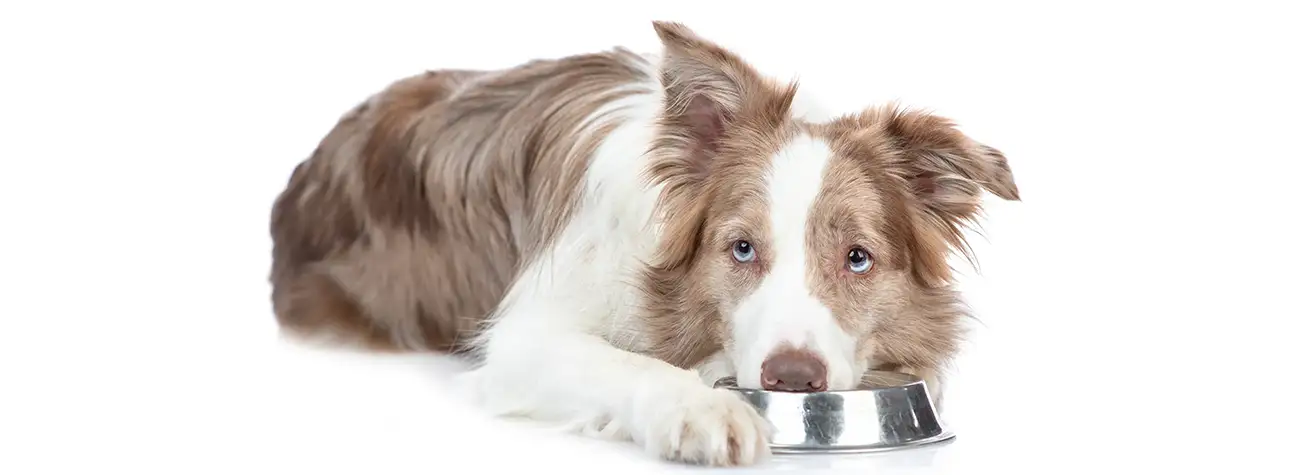
Guarding Food Bowls - Dogs that growl, stiffen up or snap when you approach the food bowl or approach while they are eating.
Guard Their Toys - Your dog is unwilling to let go of favourite toys or a stolen object. Your dog will most likely take the item to an area and guard it. This could be behind a chair, under a table, into their bed, where they refuse to give up the item.
Guarding Furniture - Your dog may growl, snap or bite when you try to move them from sofas or beds.
Guarding Owners - Your dog may react when other people or other pets approach their favourite person.
Guarding Sleeping Areas - Your dog may react when disturbed while resting, or they may guard their bed or crate area. It's very important to monitor children if your dog has this behaviour problem around its sleeping area.
Guard High-Value Treats and Items - Your dog may become anxious or aggressive around chews, bones or special rewards. Sometimes, what we may not see as a high-value item, your dog may.
Where several behaviours are present, we'll create a plan that addresses the overall picture rather than focusing on a single issue.
Take the First Step Towards a Safer, More Relaxed Home
Living with a dog that guards food, toys, or other valued items can be stressful, but early intervention and the right guidance can make a real difference.
If your dog becomes protective over resources, Bark Busters Coventry can help you understand the behaviour and develop a safe, practical plan tailored to your household.
Contact Bark Busters Coventry today to arrange your home behaviour lessons and start building a calmer, more confident relationship with your dog.
Frequently Asked Questions
Is resource guarding normal?
Many dogs naturally value and guard certain resources. While mild guarding behaviours can occur, escalation in behaviour should not be ignored and should be assessed by a professional.
Should I take the item away to show who's in charge?
Repeatedly removing valued items without a structured behaviour plan may increase the behaviour in some dogs. A more structured approach that focuses on safety, management and behaviour modification is generally more effective.
Will my dog always guard things?
Resource Guarding can be resolved, and many dogs can make meaningful improvements with appropriate management, training and consistency. However, progress varies depending on the individual dog, the underlying cause, the severity of the behaviour and the owner's commitment.
Can resource guarding be prevented?
Early training, positive experiences with sharing space, and careful management can help reduce the likelihood that guarding behaviours become established, particularly in early life.
My Reviews
5 / 5 from 144 reviews
We have a difficult case. We have two rescue dogs, both girls, both 6y, both Frenchies, but one of them we adopted when she was already 3y and she's set in her ways. She's a dominant dog. She marks territory, she treats all other dogs outdoors as threats and s…
We had a very useful and informative first session with Emma. We talked through our dog’s history and explained the issues we were having (mostly recall). Emma really listened and then worked some ideas through with us as to how to move forward in our training…
Emma presented as a warm and knowledgeable professional and was able to identify my pup as needy and anxious. Emma warned us that she may tell us things that may make us uncomfortable but honesty is important to help our pup. Essentially we have not given him…