
Resource Guarding Dog Training Guildford
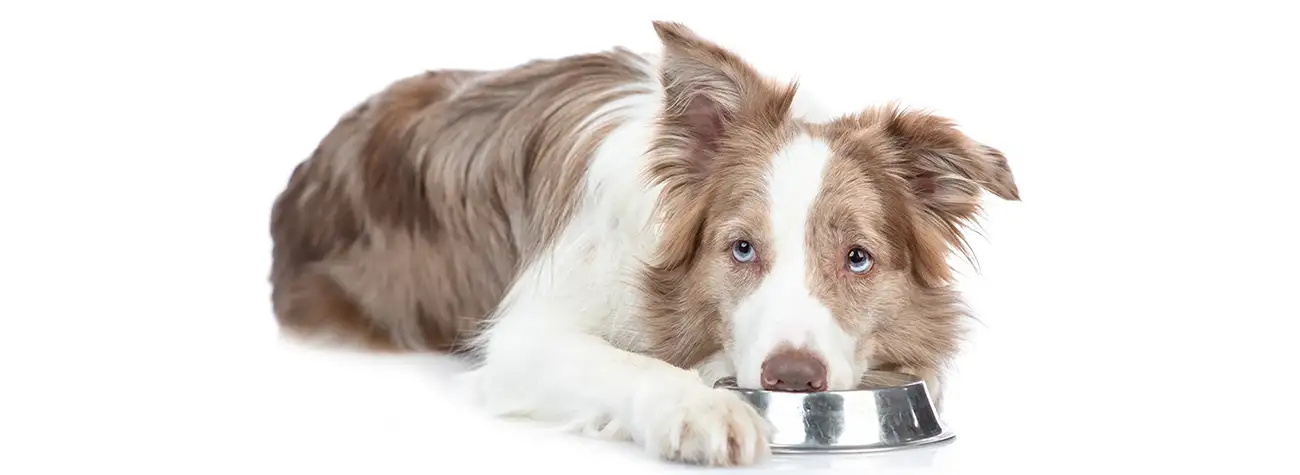
Does your dog growl, freeze, snap or become defensive when you approach their food, toys, bed or something they have picked up? Bark Busters provides personalised resource guarding dog training in Guildford, helping owners understand why their dog is guarding and learn practical ways to manage and improve the behaviour.
I'm Jacquie, your local Bark Busters accredited Grand Master Dog Behaviour Therapist and Trainer. I work with you and your dog in your home, where resource guarding often occurs, so we can look at the behaviour in the context of your dog's everyday environment and develop a training programme that fits your dog and household.
What Is Resource Guarding?
Resource guarding happens when a dog tries to keep control of something they see as valuable.
The resource isn't always food. Dogs can guard many different things, including food and food bowls, treats and chews, toys, stolen objects, beds and resting places, furniture, particular rooms or areas, objects found on walks, and even a favourite person.
Some dogs simply move away with the item. Others may become tense, freeze, stare, growl, show their teeth, snap or bite when somebody approaches.
Recognising early signs matters because guarding behaviour can escalate when a dog repeatedly feels threatened or challenged over something they value.
Signs Your Dog May Be Resource Guarding
Growling is one of the most obvious signs, but dogs often communicate other body language cues before they reach that point.
You might notice your dog eating faster when somebody approaches, standing over an item, moving an object away from you, becoming suddenly still or tense, lowering their head over food or an object, giving a fixed stare, turning their body to block access, running away with stolen objects, growling, showing their teeth, and snapping or attempting to bite.
Don't dismiss these signals as your dog simply being naughty or controlling. Understanding what is happening around the behaviour is an important first step towards changing it.
Why Does My Dog Guard Food, Toys or Other Objects?
Dogs can develop resource guarding behaviour for different reasons.
Some dogs may have learned that people approaching means they'll lose something valuable. Others may feel insecure about access to resources or have discovered that growling successfully makes people move away.
Past experiences can also shape behaviour, especially when a dog's history isn't fully known.
The important question isn't simply "How do I stop my dog growling?" We need to understand why your dog feels the need to guard the resource in the first place.
Home Resource Guarding Training in Guildford
Resource guarding often happens at home, so home training is particularly useful.
Instead of describing the problem in a training class, I can learn about your dog's normal environment, household routines, and the situations surrounding the behaviour.
We'll investigate questions like: what does your dog guard, who does your dog guard it from, when did the behaviour begin, what happens when somebody approaches, how close can someone get before your dog reacts, has anyone previously tried to take items away, are children or other pets involved, or has the behaviour become more intense over time?
From there, we can develop a personalised training and tailored management plan.
How Our Resource Guarding Training Works
Understand what your dog guards - We'll identify the resources and situations associated with the behaviour rather than assuming every guarding problem has the same cause.
Recognise your dog's warning signals - I'll help you understand your dog's body language so you can identify signs of tension or discomfort before the behaviour escalates.
Reduce unnecessary confrontation - Repeatedly challenging a dog over guarded items can make the problem worse. We'll look at practical ways of managing everyday situations while training progresses.
Improve communication - Clear, consistent communication can help your dog better understand what you want. I'll show you techniques appropriate for your dog's individual behaviour.
Teach more appropriate responses - Training can help your dog respond differently when people approach resources and create safer ways to handle everyday situations.
Continue practising - You'll have a training programme to practise between lessons so that the new skills become part of normal family life.
My Dog Growls When I Go Near Their Food
A dog growling over a food bowl is giving you information. Simply punishing the growl or deliberately taking the bowl away may stop the warning without resolving the underlying concern.
Avoid repeatedly testing your dog by approaching or removing their food simply to see whether they react.
Instead, appropriate management and structured training can help change how your dog responds when people are around valued resources.
Take extra precautions and seek help from a professional if your dog has snapped or bitten around food.
My Dog Guards Toys and Stolen Objects
Resource guarding isn't limited to mealtimes. Some dogs become possessive over toys, chews, socks, tissues, or other objects they pick up around the house.
A common mistake is to immediately chase your dog and try to wrestle the object away. This can turn the situation into a confrontation and may teach the dog that finding something valuable results in a person trying to take it.
We'll look at safer, more constructive ways to handle these situations while working on the underlying behaviour.
Resource Guarding Between Dogs
Dogs living together may sometimes compete over food, toys, beds, attention or other valued resources. This can range from subtle blocking and staring to growling, snapping or fighting.
Management is important in multi-dog households. Feeding dogs separately, controlling access to high-value resources, and recognising early signs of tension can reduce opportunities for any conflicts while you address the behaviour.
If fights have occurred between dogs in your household, seek professional advice rather than deliberately recreating the situation.
Resource Guarding and Children
Resource guarding requires particular care when children are present. Children should never be expected to manage guarding behaviour themselves.
Teach children not to approach a dog that is eating, chewing something valuable, sleeping or guarding an object. Don't ask a child to remove food or toys from a dog.
Where necessary, use doors, gates or other appropriate physical barriers to separate children from the dog around food and high-value resources.
If your dog has growled, snapped or shown guarding behaviour towards a child, find professional help as soon as possible.
What Should I Do if My Dog Is Resource Guarding?
Until you have professional help, sensible management and precautions can reduce the risk of the behaviour escalating.
Avoid forcibly taking guarded objects, putting your hand into your dog's food bowl, deliberately provoking a growl, punishing warning signals, allowing children to approach a guarding dog, or repeatedly testing whether your dog will react.
Instead, give your dog appropriate space, control access to resources that regularly cause problems and seek help with the underlying behaviour.
If there is an immediate risk of a bite, safety and preventing further incidents should take priority.
Why Choose Bark Busters for Resource Guarding Training in Guildford?
Resource guarding can vary considerably between dogs, so individual circumstances matter.
With Bark Busters, training is:
Personalised - The programme is based on your dog's behaviour, triggers and household.
In your home - Training takes place where many guarding problems naturally occur.
Practical - You'll learn strategies that can be incorporated into everyday routines.
Focused on communication - I'll help you recognise your dog's body language and communicate more clearly.
Designed for real life - We'll focus on the situations you actually experience, rather than a generic training programme.
Get Help With Resource Guarding in Guildford
Whether your dog guards food, toys, stolen objects, furniture, or other resources, I'll help you understand what's driving the behaviour and develop practical strategies to manage and improve it.
Don't wait until the behaviour becomes harder to manage.
Understanding why your dog feels the need to guard and learning how to respond appropriately can help create safer, calmer interactions.
Contact Bark Busters Guildford to discuss your dog's behaviour and find out more about personalised resource guarding dog training in Guildford.
Frequently Asked Questions on Resource Guarding
Can resource guarding be improved?
Resource guarding can often be managed and improved with appropriate training and changes to how resources are handled. Every dog is different, so the training approach should reflect the individual dog's behaviour and circumstances.
Should I take my dog's food away to stop resource guarding?
Repeatedly removing food can increase a dog's concern that valuable resources will be taken away. Avoid deliberately provoking the behaviour and seek appropriate guidance on changing your dog's response.
Should I punish my dog for growling?
Growling is an important warning signal that your dog is uncomfortable. Simply punishing the warning doesn't necessarily change the underlying emotion and may make the dog's behaviour less predictable.
Why has my dog suddenly started guarding things?
Behaviour can change for many reasons. If resource guarding appears suddenly, particularly alongside other behavioural or physical changes, speak to your vet to rule out pain or another medical issue.
Can dogs resource guard people?
Yes. Some dogs may become possessive of a particular person and try to keep other people or animals from approaching. Carefully assess the circumstances behind the behaviour and seek help from a professional.
Can you help if my dog guards food from another dog?
Yes. Resource guarding can occur between dogs living in the same household. Management may include separating the dogs around food and other high-value resources while they eat, as you work on the broader behaviour.
What if my dog has bitten while guarding something?
My Trustpilot Reviews and Customer Testimonials
4.9 / 5 from 64 reviews
So helpful and encouraging
Very helpful...very kind and understanding Brilliant with Rusty.
Very helpful to understand why my dog is like he is. Hoping that with the training we have been given to try we can make him a much happier quieter little dog .