
Professional Help for Reactive Dogs in Oxford
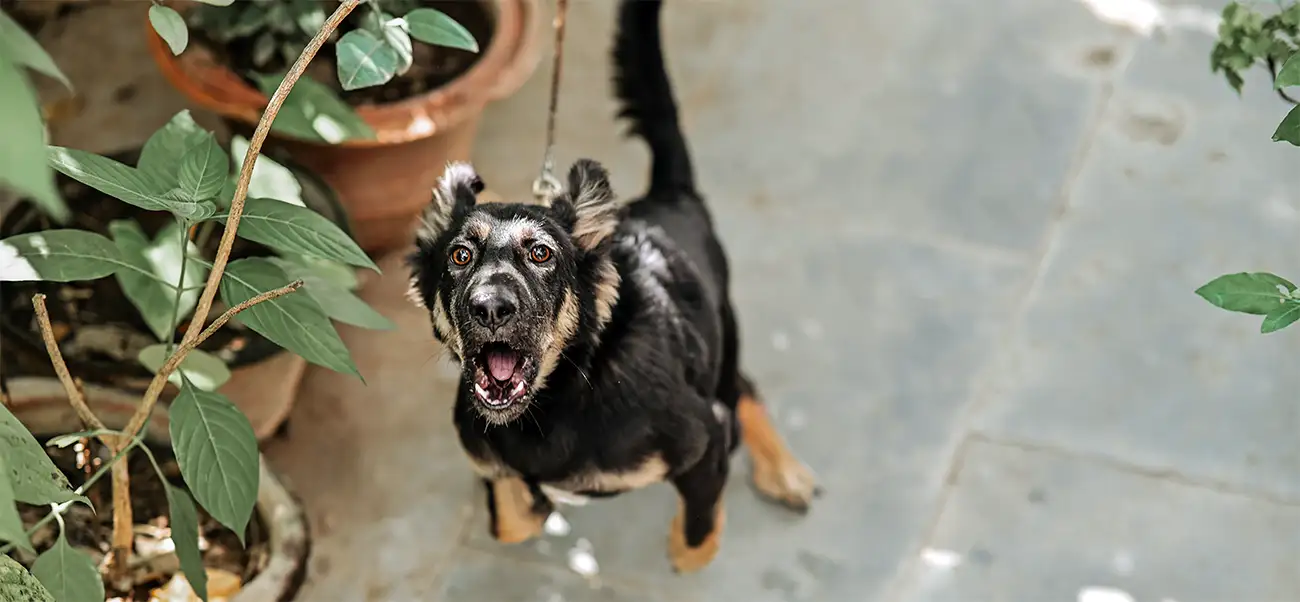
Dogs that become reactive and are difficult to control around other dogs, people or everyday distractions.
Living with a reactive dog can make everyday walks feel stressful. You may find yourself avoiding other dogs, changing your walking routes or worrying about what might happen when your dog is triggered by something.
At Bark Busters Home Dog Training Oxford, we provide personal, home reactive dog training across Oxfordshire, helping you understand what is driving your dog's behaviour and offering practical strategies to manage and improve their responses.
Whether your dog reacts due to fear, frustration, anxiety, over-excitement, or a previous negative experience, we tailor the training to your individual dog and circumstances.
What Is a Reactive Dog?
A reactive dog has an unusually strong response to a particular trigger. The responses could include pulling, whining, spinning, freezing, staring, running off, or becoming impossible to control and focus.
These responses are the result of something that has triggered your dog. There could be many different reasons for the triggers, including other dogs, strangers, children, cyclists, joggers, cars, visitors to your home, or being touched or handled.
Some reactive dogs appear very frightening. However, reactivity and aggression are not necessarily the same thing. If you have any concerns, talk to us about our aggressive dog training plan.
A dog may react because it is frightened, frustrated, overwhelmed, or excessively excited.
Understanding the reason behind your dog's reaction is an important part of choosing the right training approach.
Is My Dog Reactive?
If you think your dog is reactive, you may recognise your dog in these situations.
On walks - A dog spots another dog in the distance. They stare, their bodies tense, their hackles go up, and then suddenly they react.
Around people - A dog becomes uncomfortable when unfamiliar people approach. They may react, retreat, or try to make the person move away.
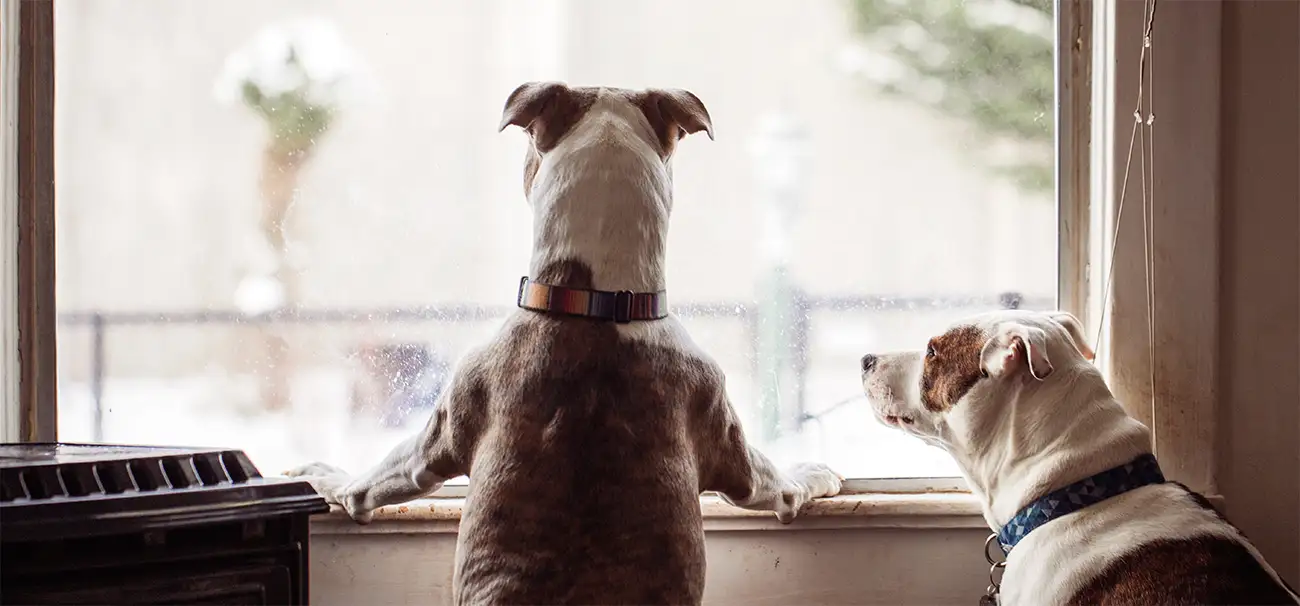
At home - A dog reacts to people passing the window or becomes agitated when someone approaches your property, such as a delivery driver or postman.
Around specific triggers - A dog may be perfectly calm most of the time but react intensely to a particular type of person, dog, vehicle or situation.
If this sounds familiar, your dog may benefit from professional one-to-one behaviour training.
Why Do Dogs Become Reactive?
Every dog and every environment is different. There isn't one explanation for reactivity.
Some common factors contribute to a dog's reactions.
Fear - A dog may react because they feel threatened or uncomfortable. This can be an attempt to make the perceived threat go away.
Frustration - Some dogs become frustrated because they cannot reach another dog, person or object.
Over-Excitement - Highly excitable dogs can struggle to control their responses when something exciting appears.
Previous Experiences - A frightening encounter with another dog, person or environment can influence future behaviour.
Insufficient Socialisation - Some dogs haven't been socialised correctly or have had limited or overwhelming experiences during their development.
Anxiety - An anxious dog may react because they feel unable to cope with a particular stressful situation.
Learned Behaviour - If a dog discovers that reacting makes something move away, the behaviour can become reinforced.
Reactive Dog Training in Your Home
Our home training looks at every aspect of your dog's life and not just what happens on walks, for example. There will likely be other factors in your dog's environment that contribute to the outside behaviour.
Your dog's reactivity may start before you even leave the house. Perhaps your dog gets extremely excited when you pick up the lead, reacts to passersby or noises through the window, guards the front door, struggles to settle, becomes anxious when visitors arrive, or pulls excessively as soon as you leave home.
Understanding the complete picture can help create a more effective training programme.
We assess your dog's behaviour in their everyday environment and show you practical techniques you can incorporate into your daily life.
How Bark Busters Oxford Can Help You
Understand Your Dog's Triggers - We'll look at what triggers your dog's reactions and identify patterns in their behaviour.
Understand What Happens Before the Reaction - The situation immediately before a dog reacts can provide important information. Distance, body language, environment and previous experiences can all influence your dog's response.
Improve Communication - We'll help you develop clearer communication with your dog so you can respond more effectively.
Manage Difficult Situations - You'll learn practical ways to manage your dog and the environment to reduce unnecessary opportunities for reactive behaviour.
Build Better Responses - Training can help your dog develop more appropriate responses to situations that previously triggered them.
Practise in Real-Life Situations - Once the appropriate foundations have been established, training can then be applied to your everyday walks and environments.
Reactive Dog Training for Dog-on-Dog Reactivity
Does your dog lose control whenever another dog appears?
Reactivity towards other dogs is one of the most common reasons owners ask for behaviour help. If your dog reacts to other dogs, pulls towards them, becomes tense when another dog approaches, reacts from behind fences, through windows, or becomes difficult to control on walks, then you'll likely need professional help to resolve the behaviour.
The reasons for the behaviour can vary from dog to dog. Some dogs are frightened, while others are frustrated because they cannot greet another dog. Some have had negative experiences, while others become overwhelmed by the excitement of seeing another dog.
A training programme should reflect the individual dog's needs rather than assuming every reactive dog has the same problem.
Reactive Dog Training for People
Some dogs react specifically to people. A dog may pull towards strangers, men, women, children, joggers, cyclists, visitors, delivery drivers, postmen, or people approaching the family.
If your dog is reacting to people, understanding their body language and the triggers is an important part of resolving the behaviour.
If your dog has a history of biting or attempting to bite, appropriate safety measures, such as a muzzle and keeping your dog on a lead, should always be your priority.
Lead Reactivity
Some dogs behave perfectly at home but become a completely different dog when the lead goes on. Lead reactivity can make everyday walking particularly difficult.
A dog may pull toward other dogs, at passing people, at cyclists, become frustrated when they are not allowed to greet another dog, scan constantly for potential triggers, or ignore previously learned cues when a trigger appears.
We can help you understand what is happening and develop practical training strategies for improving your dog's responses.
Reactivity Around the Home
Reactivity isn't just limited to walks. Some dogs can become reactive in the home environment too. Your dog may react to people passing your windows, to noise outside, visitors to your home, delivery drivers or postmen, to people in the garden, towards your neighbours, or to a knock at the front door.
Our home training programmes are particularly useful for these situations because we can address the behaviour within the environment where it occurs.
Rescue Dogs and Reactivity
Rescue dogs sometimes arrive with an unknown history or limited experience of different environments. A rescue dog may react because they are uncertain of situations, fearful, overwhelmed, lacking confidence, adjusting to a new home, or responding to unfamiliar situations.
With patience, appropriate management and consistent training, you can help your dog develop greater confidence and learn more appropriate responses.
Reactive Puppies and Young Dogs
Puppies and young dogs can display reactive behaviour for many different reasons.
They may be excitable, frustrated, unsure about the situation, overwhelmed, inexperienced, lacking appropriate socialisation skills, or simply going through developmental changes.
Early guidance can help prevent unwanted responses from becoming established habits.
If you're concerned about your puppy's behaviour, don't wait until they are an adult dog before seeking help and advice.
What Makes Home Training Different?
Training in traditional group classes isn't appropriate for every dog. A highly reactive dog may find puppy training classes overwhelming, making it difficult to concentrate and learn.
With our home training, you receive one-to-one attention because the training is focused specifically on you and your dog.
You receive a personalised training programme. Your dog's triggers, environment and behaviour are all taken into account.
We provide real-world advice. The training is developed around the situations you actually experience.
We provide dog and owner education. In addition to practical help for your puppy, we help you understand your dog's behaviour so that you can make better decisions between training sessions.
We provide one-on-one practical support. You learn techniques to manage behaviour and what to do when your dog's behaviour becomes difficult.
You Don't Have to Avoid Every Walk
Living with a reactive dog can change the way you live. You may constantly scan the horizon for other dogs. You may cross the road whenever someone approaches, avoid busy parks and other areas, or worry about visitors coming to your home.
You don't have to try to understand your dog's behaviour on your own.
Bark Busters Oxford provides personalised, reactive dog training in your home across Oxfordshire, helping dog owners understand the triggers, improve communication and develop practical strategies for everyday life.
If you are ready to understand your dog's reactivity, contact Bark Busters Oxford today to arrange your home training.
Frequently Asked Questions
Is a reactive dog an aggressive dog?
Not necessarily. Reactivity can be caused by fear, frustration, anxiety, over-excitement or other factors. Some reactive dogs may also display aggression, so understanding the individual circumstances is important.
Can reactive dogs get better?
Yes. Many dogs can make significant behaviour improvements with appropriate training, management and consistent practice. However, progress varies between individual dogs.
My dog is fine until another dog gets close. Can you help?
Yes. An important part of understanding their behaviour is the trigger and the distance between your dog and the other dog. This helps us to develop a suitable training plan.
Can you help a dog that reacts to people?
Yes. We can work with dogs that react or become anxious around particular people or unfamiliar strangers.
What if my dog has bitten another dog or person?
If your dog has a history of biting, safety is very important. Contact us to discuss the circumstances and our aggression training. If the problem is unexpected, you can speak with your vet first to rule out pain or other medical issues.
How long does reactive dog training take?
Every dog is different. The severity and history of the behaviour, the triggers involved and how consistently training is implemented can all affect progress.
Can an older reactive dog be trained?
Yes. Older dogs can learn new behaviours, although the correct approach depends on the individual dog and their history.
My Trustpilot Reviews & Customer Testimonials
5 / 5 from 16 reviews
Absolutely amazing, was very understanding about our issues and gave the best advise, training was clear and was given demos to make sure we did them correctly. Was perfect with our doggos!!!
Absolutely amazing. Abi was clear in telling us what was needed
We honestly couldn’t recommend Abi highly enough! From the moment she arrived, she was warm, approachable and immediately put both us and our puppy Monty at ease. As first time puppy owners, we wanted to make sure we were giving Monty the best possible start a…