
Expert Rescue Dog Training Oxford
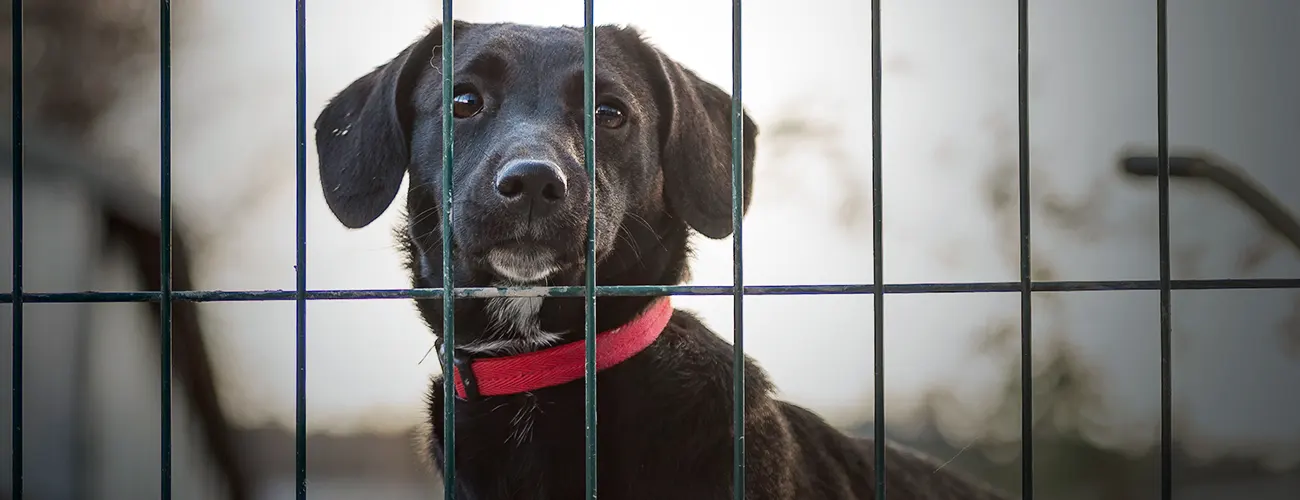
Has your rescue dog developed behaviours you weren't expecting?
Perhaps your new rescue dog is nervous around people, reactive towards other dogs, struggles to settle, guards food or toys, pulls on the lead, barks excessively or becomes distressed when you leave.
Adopting a rescue dog can be really rewarding, but it may also come with many challenges. Many adopters don't know their dog's full history, what experiences they've had, or why they behave the way they do.
At Bark Busters Home Dog Training Oxford, we provide personal home rescue dog training and behaviour support to help you understand your dog's behaviour and build a calmer, more positive relationship from the start.
Whether you've recently adopted an adult rescue, rehomed a dog from another family, or are struggling with behaviour problems that developed after adoption, we can help you create a tailored, practical dog training plan.
Rescue Dogs Need Time, Understanding and Consistency
A rescue dog may have experienced several changes before arriving at your home.
They may have lived with many different owners in many different homes, experienced many changes in routine, had limited training and socialisation, faced frightening situations, developed habits that helped them cope, never lived in a normal family environment, or spent time in kennels and other rescue centres.
However, don't assume every rescue dog has a traumatic past. Some rescue dogs haven't learned the behaviours needed to live comfortably with people in a new home. The key is to understand your dog now, rather than assume your dog has had a troubled past.
Common Rescue Dog Behaviour Problems
Bark Busters Oxford can help with a wide range of behaviour challenges, including nervous or fearful behaviour, reactivity towards other dogs, barking, lunging, pulling on the lead, poor recall, jumping up, separation anxiety, destructive behaviour, resource guarding, aggression, difficulty settling in, anxiety in unfamiliar situations, and difficulty adapting to new routines.
Your rescue dog may have one specific problem or several connected behaviours.
Your Rescue Dog's First Few Weeks
Bringing a rescue dog home will undoubtedly involve an adjustment period.
Your dog will need to learn who you are, where they sleep and eat, what happens when you leave, which areas of the house they can access, how walks work, what is expected of them, and how you communicate with each other.
It's tempting to try to teach everything right away, but giving your new dog time to settle in and establish clear, consistent rules and boundaries is important for successful training.
You may have heard of the 3-3-3 rule that rescue centres commonly use.
First 3 Days: Decompression - During the first three days, your dog is trying to make sense of its new environment. They may feel overwhelmed and want to retreat to a quiet place. They may not eat and may sleep for long periods. During this time, don't overwhelm your dog and give them time to find their feet. You shouldn't expose your dog to too many people, sights or sounds during this time.
First 3 Weeks: Learning the new routine - During the first three weeks, your dog begins to realise that the new environment is now their new home. They will start learning the new routine, feeding times, walk times, and when you leave home, etc. Your dog's true personality begins to show, and they may even start testing the boundaries. This is the time to start teaching basic obedience and positive reinforcement training. Everyone should be consistent and establish clear rules for both the dog and the owners.
First 3 Months: Fully Settled - By around three months, your dog should have settled and be feeling secure as part of your family. Your dog will probably show genuine affection by now and respond positively to your commands. Continue building the bond that is developing and socialise them to new sights and sounds appropriately.
As dogs begin to feel more secure, they also become more comfortable expressing their true personality and behaviours. This doesn't necessarily mean things are getting worse. It often means your dog is settling into their new environment.
Understanding this transition helps you respond with realistic expectations and goals.
Why Has My Rescue Dog Started to Behave Differently?
A rescue dog can start to behave very differently a few weeks after arriving in their new home. You may initially think that they are such a calm dog. Then, several weeks later, you start seeing barking, pulling, guarding, or reactivity that wasn't obvious at first.
This doesn't necessarily mean your dog has suddenly become difficult. Your dog may simply be becoming more confident in their new home, and their true personality may be starting to show. As they settle in, their individual personalities and habits begin to take shape.
If new behaviours emerge, early professional help and support can help you understand what is happening and address the unwanted behaviour.
The Nervous Rescue Dogs
Some rescue dogs can be very nervous around men, women, children, strangers, other dogs, loud noises, traffic, new environments, being handled or visitors.
A nervous dog may hide, freeze, avoid eye contact, bark, growl, pull away from you, or try to escape, so give them space and time to adapt, as forced interactions can increase their fear.
Training should focus on building your dog's confidence while respecting their individual limits.
Rescue Dog Reactivity
This is where your rescue dog barks, growls or lunges at other dogs, people, and animals.
This can be particularly challenging when you're still learning about your new dog's behaviour.
Dog Reactivity can be linked to fear, frustration, anxiety, over-excitement, past experiences, lack of confidence, and an inability to cope with unfamiliar situations.
Understanding the reason for the behaviour is more useful than simply labelling the dog as "bad" or "aggressive".
If this sounds familiar, our reactive dog home behaviour training can help you understand the triggers and develop appropriate management and training strategies.
Rescue Dogs and Aggressive Behaviour
Some rescue dogs display aggressive behaviour towards people or other animals.
This can include growling, snapping, lunging, showing teeth, biting, guarding and threatening behaviour.
Aggression can have many underlying causes, including fear, anxiety, frustration, previous conflicts or learned behaviour.
If your rescue dog has a bite history, make safety your priority. Avoid deliberately testing your dog's tolerance or putting them into situations where they are likely to react.
Professional support can help you understand the behaviour and set you on the path to resolving it.
Resource Guarding in Rescue Dogs
Your rescue dog might guard food, treats, chews, toys, their sleeping area, the sofa, stolen objects, and even people.
Resource guarding can sometimes become apparent after adoption. Don't assume your dog is being stubborn or trying to dominate you. Guarding is a behaviour, and it can be influenced by anxiety, competition, previous experiences and the value a dog places on a particular resource.
Understanding the circumstances is an important first step in resolving the problem.
Rescue Dog and Separation Anxiety
Some rescue dogs struggle when their new owner leaves.
They can bark or howl, pace up and down, destroy furniture, scratch doors, try to escape, have toileting accidents, constantly follow you, or become distressed when you prepare to leave.
A rescue dog may have been in several different homes and had several different owners, and separation anxiety in rescue dogs can have many different causes. Rather than assuming your dog is simply "clingy", it is important to understand what happens before, during and after the behaviour.
How Bark Busters Oxford Can Help You
Understand Your Dog - We review your dog's behaviour, history, and current circumstances. You don't need to know the exact history or exactly why your rescue dog behaves the way they do. We assess this at your lessons.
Identify Behaviour Triggers - We help you recognise the situations that trigger anxiety, excitement, frustration, or other unwanted behaviours.
Improve Communication - We build clear communication so your dog understands what you want from them.
Establish Household Rules and Boundaries - Consistent rules, boundaries and routines can help your dog understand their new environment.
Address Specific Behaviour Problems - Training focuses on the behaviours causing the most difficulty.
Build Your Relationship - Good training isn't simply about controlling your dog. It's about building a bond and developing understanding, trust and communication between you and your dog.
A Personal Approach to Rescue Dog Training
Every dog is different, and there isn't a single "rescue dog personality". One rescue dog may be confident and energetic, while another may be nervous and withdrawn. Another may be highly reactive, while another may have no significant behaviour problems and still need to learn household routines.
That's why we don't treat all dogs in the same way.
Your dog's age, breed, personality, previous experiences, environment, training history, and reactions to family members can all influence the best approach.
Rescue Dogs and Existing Pets
Introducing a rescue dog into a home with existing pets requires careful management.
Your new dog may need time to adjust to other dogs, cats, birds, children, visitors, and the new routines. If problems do arise, don't just let them "work it out".
Management and expert help can reduce the risk of problems escalating while you work on the underlying behaviour.
Rescue Dog Training With Children in the Home
If you have children, it's important to remember that a newly adopted dog may still be learning about them. It's also very important that children behave appropriately around dogs too. Teach children that it's not appropriate to disturb a dog while eating, take toys or food, climb on or hug a dog, or disturb a dog when resting or sleeping.
Children should always listen to adult instructions around dogs.
Always supervise young children around dogs. This is especially important if your rescue dog has shown fear, guarding, or aggressive behaviour.
Never leave young children alone with a dog. Not even for a few seconds.
What Happens During Your Home Lessons?
We Listen - You'll explain what has been happening and what concerns you most.
We Assess - We'll observe your dog's behaviour in their normal home environment.
We Identify Your Priorities - Not every behaviour needs addressing at once. We'll help identify the issues that matter most.
We Explain - Understanding why a behaviour may be happening can make it much easier to resolve.
We Demonstrate - We show you practical management and training techniques.
We Create a Tailored Training Plan - You'll have clear steps to keep working with your rescue dog consistently.
Give Your Rescue Dog the Best Start in Their New Home
Adopting a rescue dog can start an incredible relationship. But you don't have to know everything about dog behaviour before bringing your new companion home.
If you're struggling with barking, anxiety, aggression, reactivity, recall, lead pulling or another behaviour problem, professional support can help you understand what your dog needs.
Bark Busters Oxford provides personal home rescue dog training and behaviour support across Oxfordshire, helping dog owners build communication, confidence and a more settled life with their newly adopted dog.
Are you ready to get help with your rescue dog? Contact Bark Busters Oxford today to discuss your dog's behaviour and arrange your home lessons.
Frequently Asked Questions
Is rescue dog training different from normal dog training?
It can be. A rescue dog's previous experiences, training history and individual behaviour may need to be taken into account. The training should be adapted to your individual dog.
How long does it take for a rescue dog to settle?
There is no set timeframe. Some dogs settle quickly, while others need more time. The dog's individual personality, history and new environment all matter.
Should I start training my rescue dog immediately?
You should establish appropriate rules, routines, and boundaries from the beginning, while also allowing your dog time to adjust. The right balance depends on the individual dog.
My rescue dog is scared of people. Can you help?
Yes. You can address fearful behaviour through appropriate behaviour training. Avoid forcing your dog into interactions they find frightening.
My rescue dog is aggressive towards other dogs. Can you help?
Yes, we can assess the behaviour and help you understand the circumstances. Where there is a bite history, safety management should always be prioritised.
Can you help a rescue dog that pulls on the lead?
Yes. Lead pulling can be addressed as part of a wider training programme, taking into account whether your dog pulls because of excitement, fear, frustration, or another factor.
Can you help with recall training for a rescue dog?
Yes. Recall can be taught, but newly adopted dogs should not be allowed off-lead in unsafe environments until reliable recall has been fully established.
Can you help a rescue dog with separation anxiety?
Yes. We can assess and address separation anxiety as part of an individual behaviour training programme.
My rescue dog guards food. What should I do?
You should avoid deliberately taking food away or testing the behaviour. If your dog is growling or snapping around food, seek professional help and manage the situation carefully.
Can an older rescue dog still be trained?
Absolutely. Older dogs can learn new behaviours. Training should take into account their history, physical capabilities, and existing habits.
My Trustpilot Reviews & Customer Testimonials
5 / 5 from 16 reviews
Absolutely amazing, was very understanding about our issues and gave the best advise, training was clear and was given demos to make sure we did them correctly. Was perfect with our doggos!!!
Absolutely amazing. Abi was clear in telling us what was needed
We honestly couldn’t recommend Abi highly enough! From the moment she arrived, she was warm, approachable and immediately put both us and our puppy Monty at ease. As first time puppy owners, we wanted to make sure we were giving Monty the best possible start a…