
Resource Guarding Dog Training Oxford
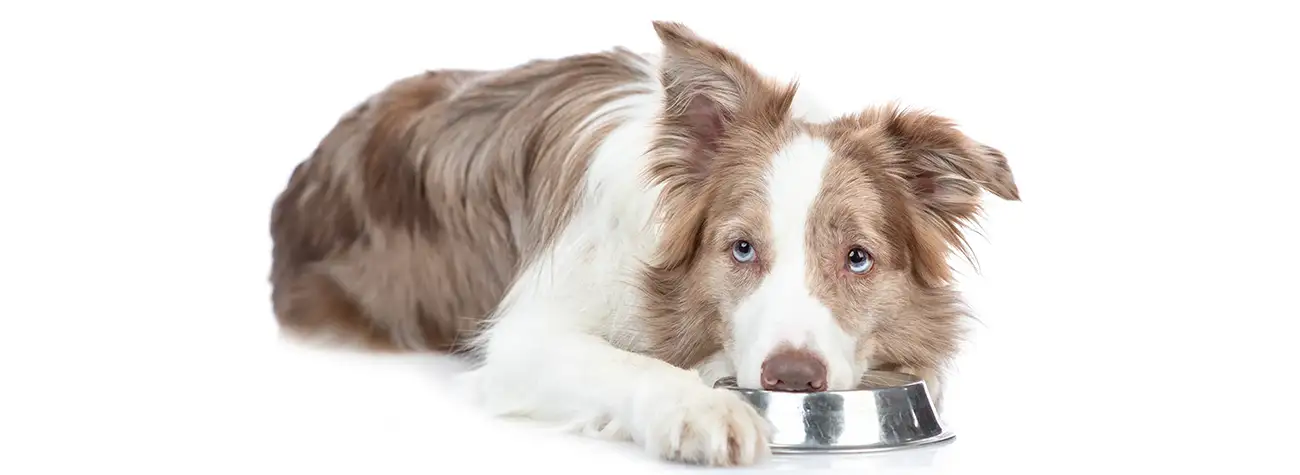
Expert Home Help for Dogs That Guard Food, Toys, Beds and Other Valued Items
Does your dog growl, snap or become tense when you approach their food, toys, bed or something they've found?
Resource guarding can be worrying and, in some situations, potentially dangerous. What may start as a dog stiffening or growling over a chew or toy can escalate to snapping or biting.
At Bark Busters Home Dog Training Oxford, we provide personal home training for resource guarding and dog behaviour across Oxfordshire, helping owners understand why their dog guards valued items. We help you to develop safe and appropriate ways to manage the behaviour.
Whether your dog guards food, toys, chews, beds, furniture, or objects they've picked up, we assess your individual circumstances and create a practical training programme tailored to your dog and your household.
What Is Resource Guarding?
Resource guarding occurs when a dog displays behaviour intended to prevent another person or animal from approaching or taking something they consider valuable.
The resource could be almost anything, including food, treats, bones, chews, toys, their bed or sleeping area, the sofa, stolen objects, a particular person, or a particular area of your home.
The signs of resource guarding can range from subtle body language to full-on aggression.
Signs of Resource Guarding
Resource guarding doesn't always begin with a growl or aggression, and the signs can be seen in your dog's body language.
Staring - Your dog watches you closely as you approach their food, toy or object.
Freezing - They suddenly become completely still when you come closer.
Eating Faster - Your dog may rapidly consume food or a chew when someone approaches.
Turning Away - They may move the resource away from you or position their body between you and the item.
Blocking - Your dog uses their body to prevent you from accessing the resource.
Growling - A growl is an important warning signal that should not simply be ignored.
Showing Teeth - Your dog may escalate their warning if they feel the resource is threatened.
Snapping or Biting - Some dogs may snap or bite when they believe the resource is going to be taken.
Why Do Dogs Guard Resources?
Guarding is a natural behaviour in dogs, and some breeds have a greater tendency to guard. However, there isn't one universal cause of resource guarding.
Natural Behaviour - Dogs can naturally place value on resources that are important to them.
Competition - Previous experiences of having food, toys or other possessions taken away can contribute to guarding behaviour.
Anxiety - Some dogs guard because they are worried about losing something valuable.
Learned Behaviour - If guarding successfully causes people or other dogs to move away, the behaviour can be reinforced.
Previous Experiences - A dog's history can influence how it responds when someone approaches its possessions.
Individual Temperament - Some dogs and some breeds are naturally more possessive or sensitive around particular resources.
Understanding the reason behind the behaviour can help determine the appropriate training strategy.
Resource Guarding Is Not All About Food
Many dog owners assume resource guarding is about food. Food is definitely a common trigger, but dogs can guard just about anything they value.
Toy Guarding - Your dog may become defensive when you approach their favourite ball, tug toy or soft toy.
Chew Guarding - Bones, antlers and long-lasting chews can become highly valuable resources.
Bed Guarding and Sleeping Areas - Your dog may growl when someone approaches while they're resting.
Sofa Guarding - Some dogs become possessive over furniture or particular areas of the home.
Stolen Object Guarding - Your dog picks up a sock, tissue, child's toy or other household object and becomes defensive when you try to retrieve it.
Person Guarding - Some dogs guard a particular person. They can become possessive or protective when another person or animal approaches a particular family member.
Why You Shouldn't Just Punish a Growl
A dog's growl is communication. It tells you that your dog is uncomfortable with what is happening. Simply punishing the growl may suppress the warning without addressing the underlying cause of the behaviour.
That can potentially make future interactions less predictable. Instead, it is important to understand what your dog is guarding, who they are guarding it from, what happens when someone approaches, how close somebody can get before the behaviour changes, or what happens immediately before the growl or snap.
These details can help build a more appropriate behaviour plan.
How Bark Busters Oxford Can Help With Resource Guarding
Understand the situation - We begin by examining the circumstances surrounding the guarding behaviour. This includes the resource itself, the environment, the people involved, and your dog's response.
Identify triggers - Not every dog guards every resource. Your dog might guard food but happily give up their toys, or guard objects they've stolen but not their normal meals. Identifying specific triggers helps us to understand the behaviour.
Improve Communication - We'll help you communicate more clearly with your dog and understand their body language.
Improve Management - You'll learn practical ways to reduce situations where your dog feels the need to guard something.
Develop Appropriate Training - A training plan can focus on building more appropriate responses around valued resources.
Support the Whole Household - Everyone who lives with your dog needs to follow, understand, and agree to the approach.
Consistency is very important when children are involved.
Resource Guarding and Children
Resource guarding requires particular care in households with children. Children may not recognise the early warning signs of guarding and may instinctively try to take a toy, approach a dog while it is eating, or disturb a resting dog.
Children should never be expected to manage resource guarding on their own.
Until the behaviour has been appropriately assessed and managed, you should supervise interactions carefully, keep children away from a dog that is eating or a dog that guards items, avoid allowing children to take possessions from the dog, create safe spaces where your dog can eat and rest undisturbed, and follow appropriate professional guidance.
If your dog has shown aggression towards a child, prioritise safety and seek appropriate professional help.
A child should never be left unsupervised with any dog, regardless of whether the dog is friendly. Dogs can sometimes be unpredictable, so safety should be your number one concern when dogs are around children.
Resource Guarding Between Dogs
Dogs can also guard resources from other dogs and can sometimes turn into Sibling Rivalry. Multi-dog households can require particularly careful management. Simply allowing dogs to "sort it out" can increase the risk of conflict.
We can help you understand the circumstances and develop appropriate strategies for managing resource guarding and sibling rivalry in your household.
Puppy Resource Guarding
From an early age, puppies can begin to display possessive behaviour around food, toys, or other objects.
If this happens, help and support with puppies in their early years can be particularly valuable. Appropriate training should aim to develop positive associations with people who are approaching valuable resources and to establish sensible household routines.
If your puppy is already growling, snapping or biting when approached, you should seek professional help and support rather than repeatedly testing their behaviour.
What If My Dog Guards Something They've Stolen?
Your dog has grabbed a sock and now growls whenever you approach. What should you do?
Trying to force the object out of your dog's mouth can lead to a confrontation and increase the risk of a bite. How you approach this depends on the individual circumstances and the stolen object involved.
We can help you develop a strategy for dealing with situations where your dog has stolen clothing, children's toys, food from the worktop, household rubbish, dangerous or inappropriate items.
If your dog swallows something that could be harmful, contact your vet promptly.
What Happens During Your First Lesson?
We Listen - You'll explain what has been happening, when it started and what concerns you most.
We Observe - We'll assess your dog's behaviour and the circumstances in which resource guarding occurs.
We Explain - You'll gain a clearer understanding of what your dog may be communicating and why the behaviour is occurring.
We Demonstrate - We'll show you practical techniques and management strategies appropriate to your circumstances.
We Create a Personal Plan - We'll leave you with a personal plan to continue working with your dog.
Why Choose Bark Busters Oxford?
Home Behaviour Training - We work where your dog's behaviour actually occurs.
One-to-One Support - Your dog's behaviour and your household circumstances are considered individually.
Practical Solutions - The focus is on implementing manageable training into your everyday life.
Behaviour Expertise - Resource guarding is a behavioural issue rather than simply an obedience problem.
Ongoing Support - Changing behaviour takes consistency. Our Bark Busters Support Guarantee provides peace of mind, knowing that your trainer is available to return to help and support you, free of charge, for the term you purchase.
Concerned About Your Dog's Resource Guarding?
Resource guarding can be worrying, particularly when you don't know whether your dog's growl will escalate.
We provide personal home training for resource guarding and dog behaviour training across Oxfordshire, helping dog owners understand the behaviour, improve communication and establish safer everyday routines.
Contact Bark Busters Oxford today for a no-obligation chat about your dog's behaviour.
Frequently Asked Questions
What is resource guarding in dogs?
Resource guarding is behaviour a dog uses to prevent another person or animal from approaching or taking something it considers valuable.
Is resource guarding aggressive behaviour?
It can involve aggression, including growling, snapping, or biting, but the underlying motivations and circumstances vary for each dog.
Should I repeatedly take my dog's food away to stop resource guarding?
If you repeatedly take food away from a dog, it could increase anxiety around the resource. If your dog is already guarding food, find professional help rather than repeatedly testing the behaviour.
Should I just punish my dog for growling?
A growl is a warning that your dog is uncomfortable. Understanding and addressing the underlying behaviour is more useful than simply suppressing the warning.
Can resource guarding be stopped?
Yes. Many dogs can improve with appropriate management and behaviour training. The level of improvement varies and depends on the individual dog, the severity of the behaviour, and the individual circumstances.
Can you help with food aggression?
Yes. Food guarding is a common form of resource guarding. The appropriate training approach depends on the individual dog and situation.
Can you help with toy guarding?
Yes. Dogs can guard toys, chews and other possessions. We can help you understand the behaviour and develop appropriate training strategies.
What if my dog has bitten me when I've tried to take something away?
If you are deliberately testing the behaviour, you should stop. Prioritise safety first and contact a professional for help and support.
Can resource guarding occur between dogs?
Yes. Dogs can be very possessive of items. Dogs may guard food, toys, beds, people or other resources from other dogs.
Can you help with a puppy that guards food?
Yes. Early intervention can be useful when a puppy begins displaying possessive behaviour. However, puppies showing significant aggression should be assessed rather than repeatedly challenged.
My Trustpilot Reviews & Customer Testimonials
5 / 5 from 16 reviews
Absolutely amazing, was very understanding about our issues and gave the best advise, training was clear and was given demos to make sure we did them correctly. Was perfect with our doggos!!!
Absolutely amazing. Abi was clear in telling us what was needed
We honestly couldn’t recommend Abi highly enough! From the moment she arrived, she was warm, approachable and immediately put both us and our puppy Monty at ease. As first time puppy owners, we wanted to make sure we were giving Monty the best possible start a…