
Resource Guarding Training in Solihull
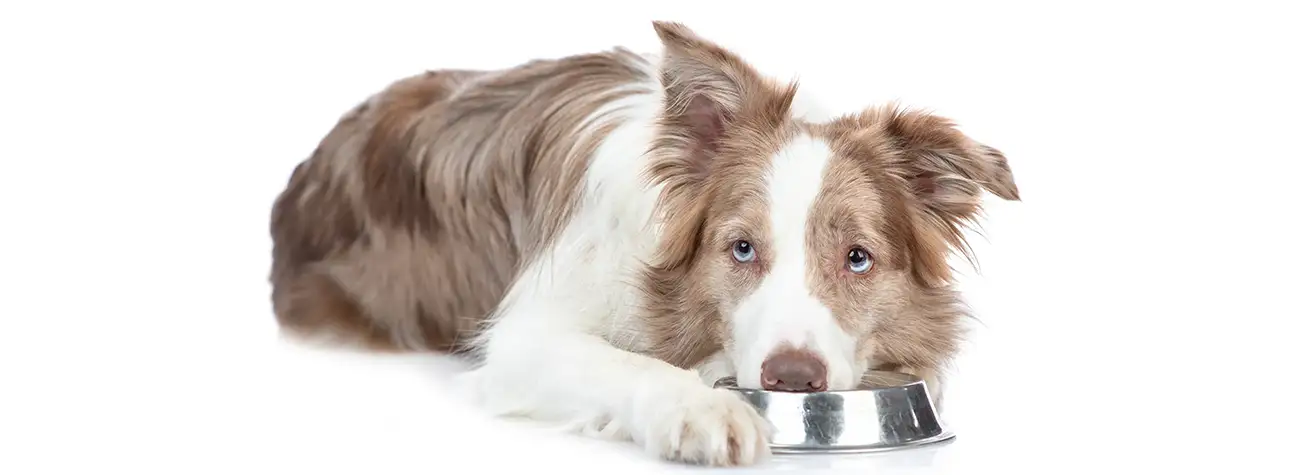
Help for Dogs That Guard Food, Toys or Other Possessions
If your dog growls when you approach their food bowl or becomes tense when you try to take away a toy, chew or something they've found, then you're not alone. Surprisingly, resource guarding is quite a common dog behaviour problem.
Resource guarding can be worrying, particularly when your dog starts growling, snapping or attempting to bite when you approach.
Bark Busters provides one-to-one resource guarding training in Solihull, delivered in your home and tailored to your dog and the situations causing concern.
Our approach focuses on understanding why your dog guards resources, improving communication, and helping you manage the behaviour safely and appropriately.
What Is Resource Guarding?
Resource guarding is behaviour a dog uses to protect something they consider valuable.
The resource could be almost anything, including food, food bowls, treats, bones and chews, toys, stolen items, where they sleep, furniture and people too.
Some dogs may move away when approached. Others may stiffen, stare, growl, bare their teeth, snap or bite.
Resource guarding can range from relatively subtle behaviour to a serious safety concern, particularly around children.
Signs Your Dog May Be Resource Guarding
Your dog may be guarding a resource if they become tense when you approach, freeze or stop eating when someone comes near, stare at you, move away with an object, growl, snap, show their teeth, and, in extreme cases, won't let you leave the home.
Recognising the early warning signs is important. For instance, growling is communication, and it's your dog's way of telling you they are uncomfortable with what is happening and they want more space.
Understanding Why Your Dog Guards
Resource guarding isn't simply your dog being stubborn. Dogs may guard resources for several reasons. What they've previously learned or experienced, anxiety, insecurity, and the perceived value of an item can all influence the behaviour.
That's why Bark Busters looks at your individual dog and the circumstances surrounding the guarding. We take into account what your dog guards, who they guard it from, where the behaviour happens, what happens immediately beforehand, how you respond, whether other dogs are involved, how often the behaviour occurs, and whether the behaviour is becoming more intense.
Understanding the pattern helps us develop a more appropriate training strategy.
Resource Guarding Training in Your Own Home
Resource guarding usually happens within your dog's normal environment. Your dog may guard their food bowl in the kitchen, a toy in the living room, a bed, sofa or another area of the home. That's why Bark Busters provides home dog behaviour training in Solihull.
Working in your own environment helps us understand the circumstances around the behaviour and give you practical guidance that fits your everyday routine.
Food Guarding - Your dog growls or becomes tense when you approach their food.
Food guarding can make everyday routines stressful, particularly if there are children, visitors or other pets in the household. Bark Busters can help you understand your dog's behaviour and help you build safer feeding routines.
Never deliberately take food away from a dog that is guarding it.
If your dog has already attempted to bite, professional behaviour support is important.
Toy and Chew Guarding - Some dogs become possessive over toys, bones, chews or other high-value items.
Your dog may run away when you approach, hold an object tightly, growl when you reach towards it, become tense when someone comes close, or snap when you attempt to take an item from them.
Training can help you understand the behaviour and develop appropriate ways of managing possessions and exchanges.
When Your Dog Guards Something They've Stolen
Dogs can guard socks, shoes, tissues, children's toys and other household objects. If your dog has learned that approaching them means the object will be taken away, they may become increasingly reluctant to give it up.
Chasing your dog or forcing an object from their mouth can sometimes reinforce the unwanted behaviour. Instead, Bark Busters can help you establish clearer communication and safer strategies for dealing with situations where your dog has something they shouldn't have.
Resource Guarding in a Multi-Dog Household
Resource guarding can become particularly challenging when two or more dogs live together. One dog may guard something that the other dog wants, like food, toys, chews, people, or beds and sleeping areas. What begins as tension can sometimes develop into fights and sibling rivalry.
We can assess your dogs' interactions and help you establish consistent routines and boundaries to reduce the risk of incidents.
Don't Just Simply Punish the Growl
A growl can be an important warning signal. Simply punishing a dog for growling may stop the growl without addressing the underlying cause. This can make the behaviour harder to read and manage. Instead, it is important to understand what's making your dog uncomfortable and what they are communicating to you.
Bark Busters focuses on improving communication between you and your dog and helping you respond appropriately to problem behaviour.
Communication Through Voice, Tone and Body Language
At Bark Busters, we believe that effective dog behaviour training starts with communication. Dogs consistently respond to our voice, tone, and body language, often picking up on signals that we don't realise we're giving.
We show you how to communicate more clearly and consistently with your dog, helping them understand what you want from them and establishing appropriate boundaries.
Understanding how your dog responds to your communication can be important when dealing with possessive or guarding behaviour.
What Happens During Resource Guarding Training?
We listen to your concerns - We discuss exactly what your dog is guarding, when the behaviour occurs and who is affected.
We assess your dog's behaviour - We observe your dog in their normal home environment and consider the circumstances surrounding the guarding.
We identify triggers - Understanding what makes your dog uncomfortable helps us develop an appropriate approach.
We show you practical techniques - You'll learn how to communicate with your dog and how to manage guarding situations more appropriately.
You continue the training at home - You'll get practical guidance you can incorporate into your normal routines.
Why Choose Bark Busters Solihull?
One-to-one behaviour training - We focus on your dog's individual behaviour and circumstances.
Home-based training - We work in the environment where resource guarding normally occurs.
Practical support - You learn how to handle everyday situations more effectively.
Clear communication - We help you understand how voice, tone, and body language influence your dog's behaviour.
No harsh physical methods - We focus on communication and behaviour rather than harsh physical corrections.
Ongoing support as you continue - You receive help and support as you implement the training consistently at home. Our Bark Busters Support Guarantee gives you peace of mind and ensures you have ongoing support, free of charge, when you need it.
Get Help With Your Dog's Resource Guarding
Resource guarding can be unsettling, particularly when you're worried that your dog might bite you, a family member or another dog.
You don't need to wait for the behaviour to become more serious before seeking help.
Bark Busters Solihull provides one-to-one home dog behaviour training to help you understand resource guarding, improve communication and manage your dog's behaviour more safely.
Contact Bark Busters Solihull to discuss your dog's resource guarding and arrange your home behaviour training.
Frequently Asked Questions
Why does my dog growl when I approach their food?
Your dog may be communicating that they feel uncomfortable about someone approaching a resource they consider valuable. Understanding the circumstances behind the behaviour is important.
Should I take food away from a dog that is guarding it?
It is generally not advisable to deliberately confront a dog that is guarding food, particularly if there is a risk of being bitten. Professional guidance can help you establish safer ways of managing the situation.
Can resource guarding be stopped?
Yes, sometimes. Resource guarding can often be managed and improved with appropriate training, but every dog is different, and it may not be possible to stop the behaviour in a particular dog. The approach should take into account the individual dog's behaviour and the severity of the problem.
Can you help if my dog guards against another dog?
Yes. Bark Busters can assess resource guarding between dogs and help establish safer routines and management within the household.
Is resource guarding a sign of aggression?
Resource guarding can involve aggressive behaviours such as growling, snapping or biting, but the underlying motivation can vary. It is important to assess the individual dog rather than simply labelling the behaviour.
Can puppies develop resource guarding?
Yes. Puppies can show possessive behaviour around food, toys and other resources. Early prevention can help owners establish appropriate habits and communication.
My Trustpilot Reviews & Customer Testimonials
5 / 5 from 58 reviews
Kirsty s patience and kindness .
A good experience for Maggie and myself. Kirsty built on what I was doing intuitively which raised my confidence, and gave useful tips such as standing tall when giving instruction, and the importance of persistence if Maggie is uncooperative. Maggie has respo…
A good experience for Maggie and myself. Kirsty built on what I was doing intuitively which raised my confidence, and gave useful tips such as standing tall when giving instruction, and the importance of persistence if Maggie is uncooperative. Maggie has respo…