
Dog Lead Pulling Training in Sutton Coldfield
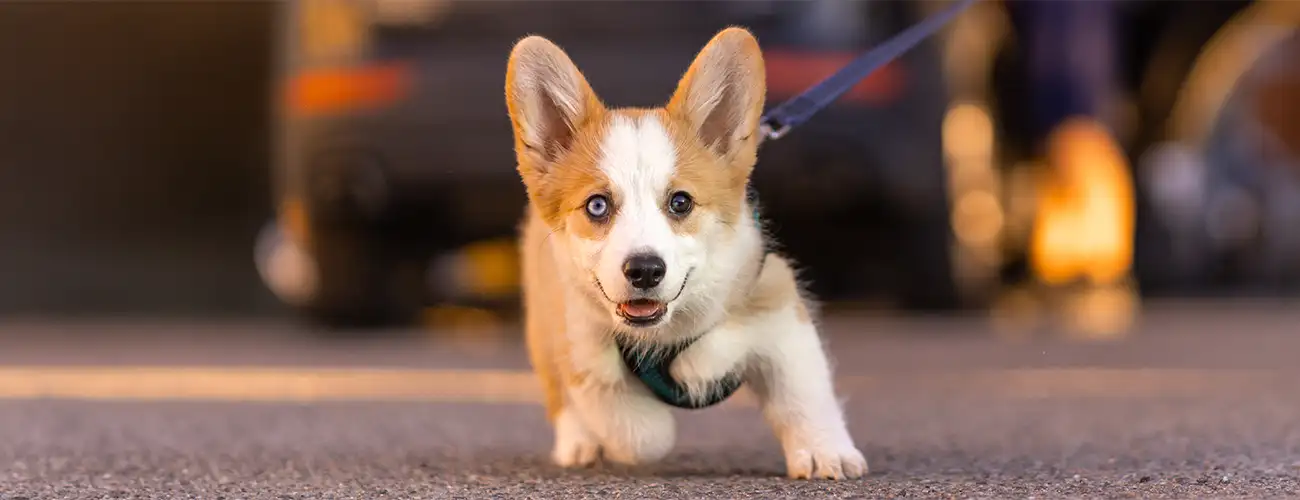
Your dog pulling on the lead, dragging you down the pavement, or becoming difficult to control around other dogs and people is one of the most common behaviour problems. Walks should be enjoyable, but constant pulling can make exercise tiring, frustrating, and sometimes unsafe.
Bark Busters provides home dog behaviour training in Sutton Coldfield and surrounding areas, helping owners develop better communication with their dogs and improve everyday walking habits. Sarah Coleman can help you understand why your dog pulls on the lead and learn practical techniques tailored to your dog, your lifestyle and the environments where you walk.
Whether you have an excitable puppy, a strong adult dog, or a dog that pulls because of distractions, frustration, or reactivity, individual training can help you work toward calmer, more manageable walks.
Why Does My Dog Pull on the Lead?
Lead pulling is common and can develop for several reasons. Dogs naturally want to explore their surroundings, investigate scents and move towards interesting sights and sounds. If pulling repeatedly helps a dog get what it wants, the behaviour can become a habit.
Common reasons for lead pulling include:
Excitement - Your dog is eager to get outside and start exploring.
Distractions - Other dogs, people, wildlife and interesting smells compete for your dog's attention.
Learned habits - Your dog has discovered that pulling helps them move forward.
Frustration - Your dog wants to approach something but cannot reach it.
Fear or reactivity - Your dog may pull, lunge or bark when they feel worried or threatened.
Lack of experience - Puppies and newly adopted dogs may not yet understand how to walk comfortably on a lead.
Understanding the reason for pulling helps you choose a suitable training approach rather than relying on repeated corrections that may not address the underlying problem.
What If My Dog Pulls Towards Other Dogs?
Some dogs pull because they are excited to greet another dog. Others pull, bark, or lunge because they feel worried, frustrated, or uncomfortable.
These situations require different approaches. Letting your dog approach every other dog can reinforce pulling and may also be unsafe. For a fearful or reactive dog, forcing closer contact can make the problem worse.
Give your dog enough distance to keep things manageable, avoid tight-lead confrontations, and choose quieter walking routes while you work on the behaviour.
If your dog regularly lunges, growls or behaves aggressively towards other dogs or people, speak to us to get individual professional guidance. You may benefit from behaviour training as well as loose-lead walking training.
Puppy Lead Training in Sutton Coldfield
Puppies need time to become comfortable wearing a collar or harness and walking on a lead. The outside world can be full of exciting, unfamiliar experiences, so early training should be gentle and suited to the puppy's development.
Puppy lead training can involve getting comfortable with walking equipment, learning to follow you without pulling constantly, and responding to their name and simple cues.
A puppy needs to learn to explore new places at a manageable pace, stay calm around people and other dogs, and build confidence through appropriate socialisation.
Start with short sessions and reward your puppy for checking in with you and walking on a loose lead. Ask your vet what outdoor experiences are appropriate before your puppy completes its vaccinations.
How Can Bark Busters Help With Lead Pulling?
Bark Busters provides home dog behaviour training tailored to the individual dog and its owner. Training begins with a discussion of your concerns and an understanding of the circumstances in which the pulling occurs.
We can help you recognise whether your dog pulls from excitement, learned habits, frustration, or reactions to a particular trigger. We can then work towards an appropriate plan that addresses communication, praise, walking routines and behaviour in everyday environments.
The training process may include:
Discuss your dog's walking behaviour - Explain when the pulling occurs, how long it has been happening and what makes it better or worse.
Understand the triggers - We consider your dog's environment, temperament, experience and responses to distractions.
We develop a tailored approach - We identify practical techniques and suitable walking equipment for your dog.
Practise the techniques - Work on clearer communication and more manageable walking habits in an appropriate environment.
Build consistency - Practise between training sessions and gradually introduce more challenging situations as your dog progresses.
The aim is to help you feel more confident handling your dog and make everyday walks more enjoyable.
Enjoy More Relaxed Walks With Your Dog
Constant lead pulling can make everyday walks stressful, but with the right approach, patience and consistent practice, many dogs can learn more manageable walking habits.
Bark Busters Sutton Coldfield can help you understand your dog's behaviour, improve communication and work towards calmer walks suited to your dog's needs.
Contact Sarah Coleman to discuss dog lead pulling training in Sutton Coldfield and find out how our home training may help you and your dog enjoy your walks together.
Frequently Asked Questions on Lead Pulling
Why does my dog pull so much on the lead?
Dogs can pull because they are excited, want to explore, have learned that pulling gets them somewhere or feel frustrated or worried by something in their environment. Identifying the reason helps determine the most suitable training approach.
Can an older dog learn to stop pulling?
Yes. Adult dogs can learn new walking habits, but the time and approach required depend on their experience, temperament, and the circumstances behind the behaviour. Consistent practice is important.
How long does lead pulling training take?
There is no fixed timescale. Some dogs respond quickly to consistent practice, while others need more time, especially if pulling is linked to fear, reactivity, or deeply ingrained habits.
Should I use a harness or collar for a dog that pulls?
The best option depends on your dog's size, health, behaviour, and how safely you can handle them. Choose well-fitting equipment and seek advice if your dog is strong, reactive, or difficult to control. Avoid equipment that causes any pain or restricts breathing.
Can you help if my dog pulls and barks at other dogs?
Pulling accompanied by barking or lunging can indicate reactivity, so the plan should address both the underlying triggers and walking skills. Bark Busters specialises in dealing with reactive dogs.
Learn more on our reactive dog training page or contact your local trainer for professional help.
Do you provide lead training for puppy and adult dogs in Sutton Coldfield?
Bark Busters provides home dog training, including puppy support. Contact Sarah Coleman to discuss your needs and confirm local training arrangements.
My Reviews and Testimonials
See my Trustpilot reviews and client testimonials from dog owners I have helped who struggled with their dog's behaviour.
5 / 5 from 23 reviews
Brilliant service excellent advice and unbelievable results
Fantastic first session with Sarah. She sorted out some of our problems straight away, namely, barking at the door and pulling on the lead. Very confident with our dogs and established who’s the leader when the dogs met her. She also explained what she expect…
Excellent first lesson learnt a lot about Belle, and ourselves, have started to put in place recommended ideas to help with training and behavour
See more reviews from Sutton Coldfield, Tamworth & Lichfield