
Dog Winter Care. Keeping Your Dog Safe, Warm and Happy
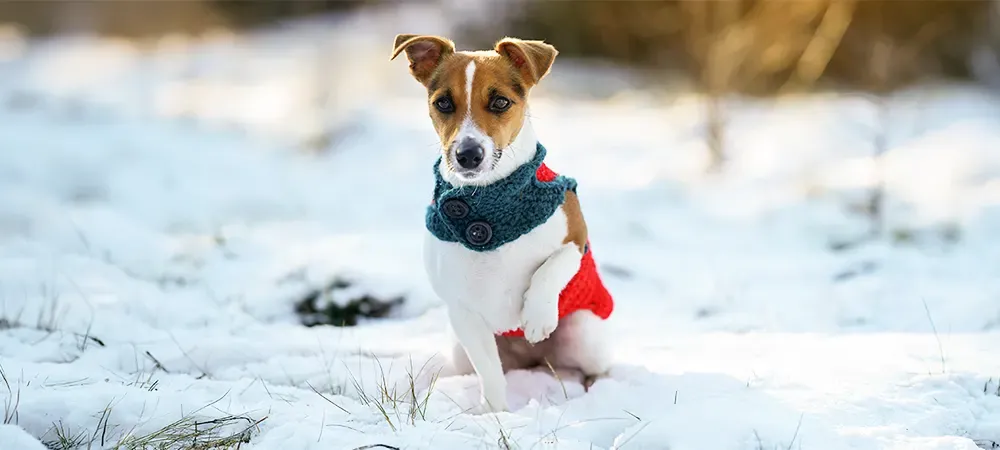
Winter can bring plenty of opportunities for enjoyable walks with your dog, but colder temperatures, wet weather, ice and dark evenings also create extra challenges for dog owners.
From protecting paws against grit and salt to recognising when your dog is feeling the cold, a few simple precautions can help keep your four-legged friend healthy, comfortable and safe throughout the winter months.
Keep Your Dog Warm
Not all dogs can handle cold weather in the same way.
Small breeds, short-haired dogs, puppies, older dogs, and those with certain health conditions feel the cold more than larger, thick-coated breeds.
If your dog feels the cold, consider a well-fitting dog coat for walks. Dry your dog thoroughly after walks, paying particular attention to their belly, legs and paws. Provide a warm, draught-free sleeping area away from cold floors. Avoid leaving dogs outside for extended periods in cold, wet or freezing conditions. Watch for any signs of shivering, lifting their paws, slowing down or repeatedly trying to return home.
If your dog appears unusually weak, confused, or unresponsive after exposure to the cold, seek urgent vet advice.
Protect Your Dog's Paws
Winter pavements can be harsh on your dog's feet. Ice, grit, road salt and de-icing products may irritate paw pads, while snow and ice can collect between the toes and cause discomfort.
After each walk, check the paws for cuts, cracks, redness and trapped ice. Rinse off grit and salt with lukewarm water.
Dry your dog thoroughly, especially the pads and between the toes. Keep the fur around the paws neatly trimmed if it tends to collect snow or debris. Consider a dog-safe paw balm or protective boots if your dog will tolerate them.
Try to stop your dog from licking their paws after walking on treated surfaces until you have cleaned them. If you suspect they have swallowed road salt or a de-icing product, contact your vet for advice.
Adjust Walks to the Weather
Dogs still need regular exercise during winter, but the length and timing of walks may need to change when conditions are particularly cold, wet or icy.
Choose well-lit routes, avoid slippery surfaces where possible and consider shorter, more frequent walks for dogs that struggle with the cold. A reflective collar, lead or high-visibility coat can help motorists and cyclists see your dog during dark mornings and evenings.
Keep your dog on a lead near frozen ponds, lakes and other bodies of water. The ice may look solid, but it can break unexpectedly, putting both you and your dog at risk.
If the weather is too unpleasant for a normal walk, indoor games, scent work and short training sessions can provide valuable mental stimulation.
Be Careful Around Antifreeze and Winter Chemicals
Antifreeze is very dangerous to dogs, and even a small amount of some products can cause life-threatening poisoning.
Spills from cars, garages, and on driveways may attract dogs because certain formulas taste sweet.
Store antifreeze, screen wash, de-icers, and other chemicals securely. Clean up spills immediately and prevent your dog from walking through, or licking contaminated areas.
If you suspect your dog has swallowed antifreeze or another potentially toxic chemical, contact an emergency veterinary practice immediately.
Don't wait for symptoms to appear and don't make your dog vomit unless a vet specifically instructs you to do so.
Maintain a Healthy Winter Diet
Some dogs burn more energy staying warm outdoors, while others exercise less in winter and may gain weight. The right feeding routine depends on your dog's size, age, activity level and individual needs.
Keep feeding a balanced, complete diet. Monitor your dog's weight throughout winter, and don't automatically increase their food just because it's colder.
Always keep fresh drinking water available, even when your dog spends most of their time indoors.
If your dog's appetite, thirst or weight changes unexpectedly, speak to your vet.
Keep Your Dog Active Indoors
Cold or wet weather does not have to mean a boring day. Mental stimulation can help prevent frustration and unwanted behaviour when outdoor exercise is limited.
Try different activities.
Scent games: Hide small treats around a room and encourage your dog to sniff them out.
Short training sessions: Practise recall, settling on a bed, or other familiar cues using rewards.
Food puzzles: Use suitable puzzles and enrichment toys.
Indoor play: Enjoy games like fetch or tug.
Relaxation: Reward your dog for settling calmly while you get on with your day.
Choose activities suited to your dog's age, physical condition and personality, and supervise toys that could be chewed apart or swallowed.
Take Extra Care with Puppies and Older Dogs
Puppies may not yet regulate their body temperature as effectively as healthy adult dogs, while older dogs may be more vulnerable to cold because of reduced mobility, arthritis or other health conditions.
Keep trips outdoors appropriate to your dog, provide warm bedding, and watch for signs of discomfort.
Older dogs may need shorter walks on level, ice-free surfaces, while puppies need suitable opportunities for exercise, toilet breaks and socialisation without prolonged exposure to harsh weather.
Ask your vet for advice if your dog has a condition that affects their ability to cope with cold temperatures.
Keep Your Dog Safe Around Winter Hazards
Winter brings several less obvious dangers around the home and outdoors.
Keep dogs away from unattended candles, open fires and hot heaters. Make sure your dog can move away from a heat source instead of getting trapped too close to it. Keep chocolate, raisins, alcohol and other festive foods out of reach. Avoid walking on frozen water, and be careful on icy steps and pavements.
A little extra supervision can prevent many common winter accidents.
Look After Your Dog's Emotional Wellbeing
Bad weather and reduced outdoor activity can affect a dog's behaviour. Some dogs become restless or frustrated when their usual exercise routine changes, while others may feel anxious around wind, rain or unfamiliar winter noises.
Maintain feeding, walking and resting routines wherever possible. Reward calm behaviour, provide opportunities to sniff and problem-solve, and make sure your dog has a comfortable place to relax.
If your dog develops persistent barking, destructive behaviour, restlessness or difficulty settling, consider whether their physical and mental needs are being met. If the behaviour is sudden, severe or accompanied by other changes, consult your vet to rule out underlying health problems.
Winter Dog Care Checklist
Before heading out or settling in for the evening, check that you have covered the essentials.
- Your dog has a warm, dry place.
- Check and dry their coat and paws after wet walks.
- Walks are adapted to the weather, visibility and your dog's needs.
- Reflective or high-visibility equipment is used in low light.
- Antifreeze, de-icing chemicals and other toxins are kept securely out of reach.
- Your dog has fresh water and an appropriate diet.
- Indoor activities provide exercise and mental stimulation when needed.
- Puppies, older dogs and dogs with health conditions receive extra care.
- Your dog's microchip details and identification are up to date.
Keep Your Dog Happy and Healthy All Winter
Winter dog care is about more than keeping your pet warm. Protecting their paws, adjusting exercise, avoiding toxic substances, and maintaining their physical and emotional wellbeing all help keep them safe and happy this season.
Every dog is different, so pay attention to your dog's behaviour and comfort rather than relying on a one-size-fits-all routine. If you are concerned about their health and mobility, your vet can provide appropriate advice.
If you need help with your dog's behaviour this winter, Bark Busters provides home dog training and behaviour support to help owners build good habits, encourage calm behaviour and make everyday life with their dogs more enjoyable all year-round.
Contact your local Bark Busters trainer to find out how they can help.
⚠️ Emergency Winter Dog Care
Some winter hazards can be life-threatening. Do not wait for symptoms to appear.
Seek immediate vet advice if your dog may have:
- Swallowed antifreeze, de-icing chemicals or road salt. Antifreeze poisoning can be fatal, even after exposure to a small amount.
- Developed signs of hypothermia, such as intense shivering, weakness, confusion or unusual drowsiness after exposure to cold.
- Suffered frostbite, particularly if their skin becomes pale, grey, swollen or painful.
- Eaten an unknown substance or developed sudden vomiting, difficulty breathing, collapse or seizures.
What to do:
- Contact your vet or an emergency veterinary practice immediately.
- Explain what happened, when it happened and any symptoms you have noticed.
- Keep any product packaging to help identify the substance.
- Do not induce vomiting, give home remedies or delay seeking help unless your vet instructs you to.
If your dog collapses, has seizures or struggles to breathe, seek emergency veterinary care immediately.
Recent Articles
- Dog Winter Care. Keeping Your Dog Safe, Warm and Happy
- Helping Your Dog Cope with Fireworks and Thunderstorms
- Keeping Your Dog Safe at Halloween
- Home Alone Syndrome
- Easter Holidays - Keeping our dogs safe around food
- Horticultural Horrors for Hounds
- Understanding Dog Body Language
- Heatstroke in dogs - know the signs and what to do
- Preventing Separation Anxiety When Returning To Work
- Separation Anxiety